Kilts for Women: Traditional Roots and Modern Looks
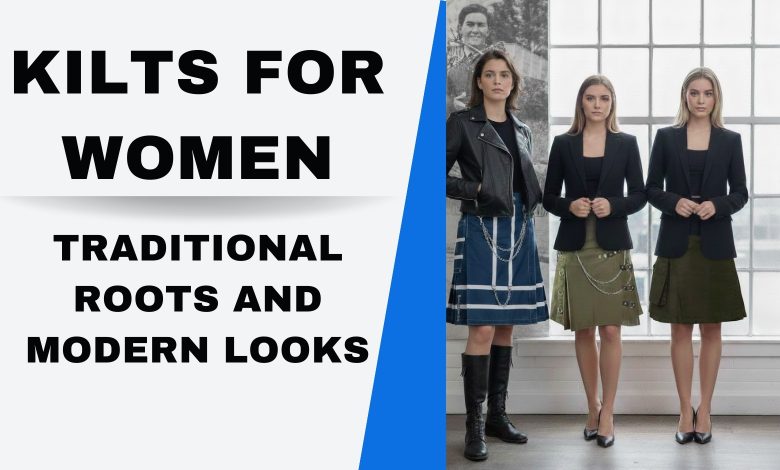
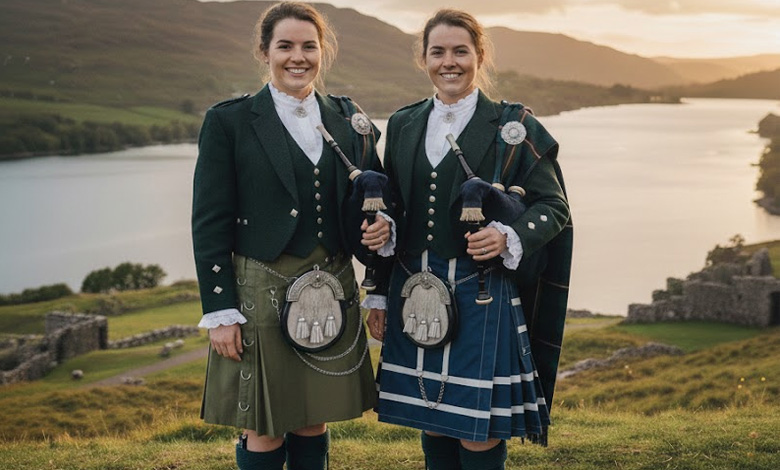
After remaining exclusive to the men for centuries, kilts finally broke the norms and became appropriate for both genders. The journey of women’s kilts began as kilted skirts and modernized over time. In today’s era, men and women share most of the kilt variations. In this guide, we will highlight different ladies’ kilts, how they differ from men’s clothing, and much more. Let’s begin our discussion with answering some frequently asked questions by those who are new to kilts.
Table of Contents
ToggleDo Women Wear Kilts?

Do women wear kilts? Why do women wear kilts? Which kilt is appropriate for women? These questions are often asked. Yes, Scottish women do wear kilts, and the purposes are the same as for men, including cultural admiration, clan association, and ease of movement. As far as the appropriate one is concerned, they wear most of the kilts that men wear, and the role of the event is very specific in deciding their appropriateness.
Types of Kilts for Women
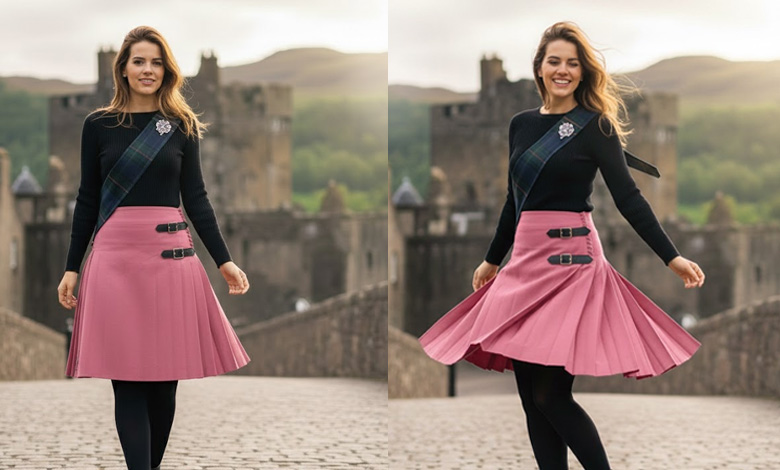
Women’s kilts come in several designs, each with unique purposes and suitability for specific settings. After remaining reserved for dancing events for many decades, they are versatile today. Let’s explore their several variants.
Tartan Kilts for Women
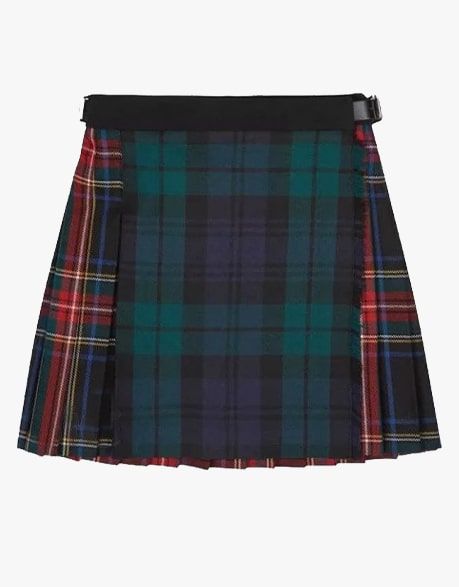
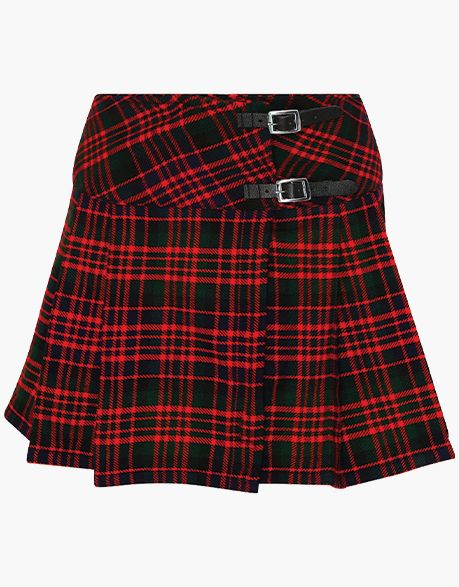
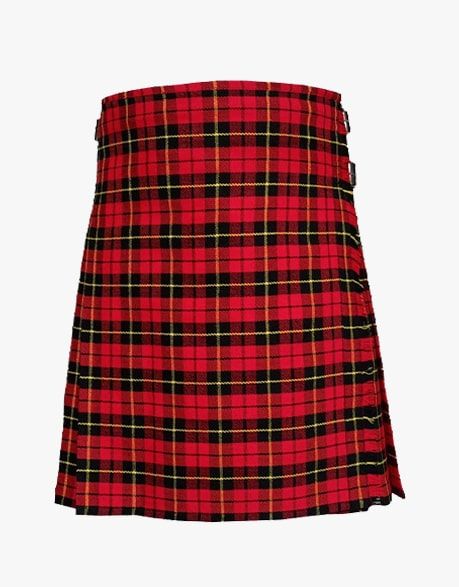
Also known as traditional kilts, the construction of women’s tartan kilts takes place with the same wool. When wearing them, clan association is the primary factor. If a lady is married, choosing between her new or previous clan’s tartan pattern is a personal choice. These kilts are meant to be durable, warm, and comfortable and are suitable for formal and semi-formal events, including Highland games, weddings, and other cultural celebrations. Some considerable options to choose from are:
Ladies’ Utility Kilts
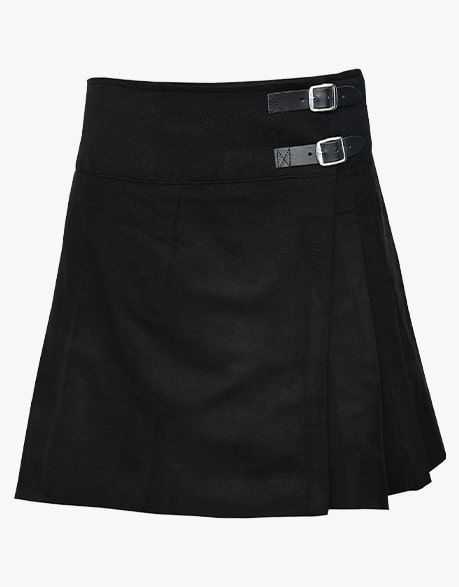
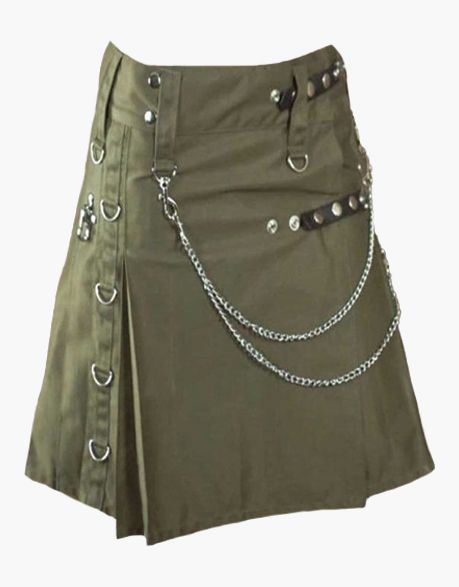
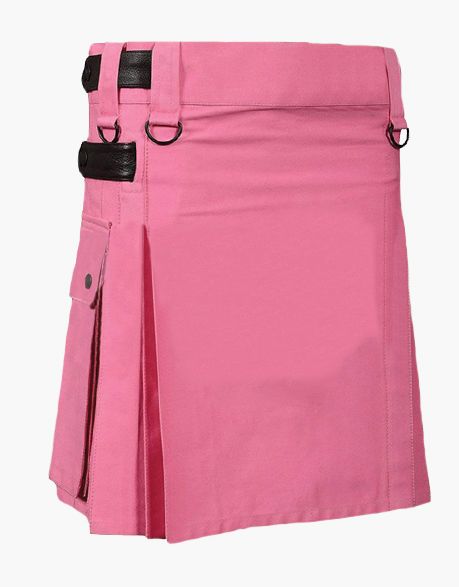
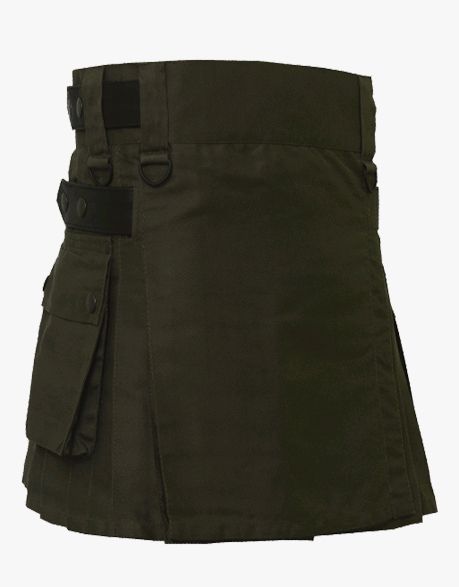
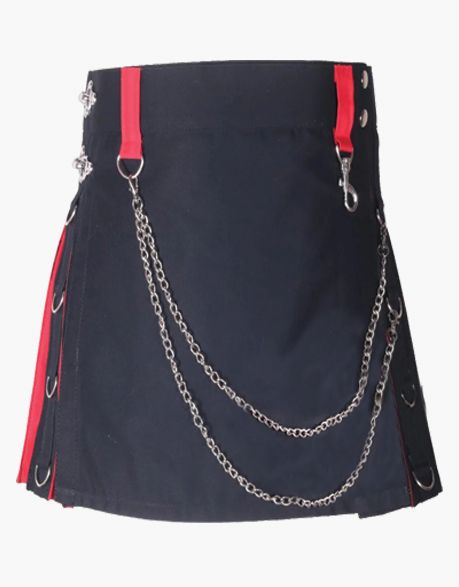
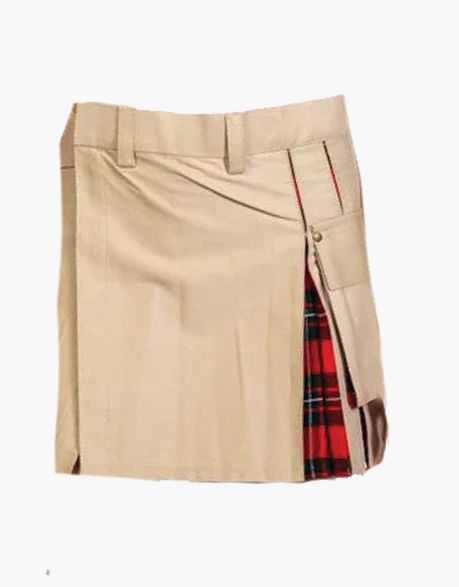
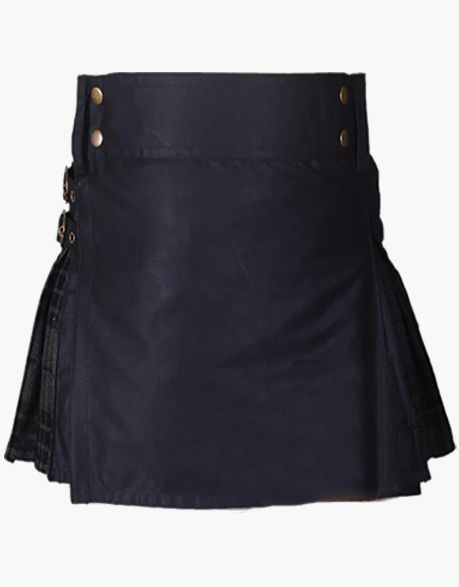
Another variant that women also wear is a workingkilt, suitable for physical performances. Named as utility kilts, they are often cotton-made, which are more durable and pose enhanced comfort comparatively. Favoring functionality is their core feature, as the name represents. That’s why they have several built-in features that traditional kilts lack, such as pockets, rings, chains, and even more. In addition to being apparel for working purposes, they also perform well in outdoor activities. If you are planning to buy a utility kilt, consider any of the below.Denim Kilts for Women
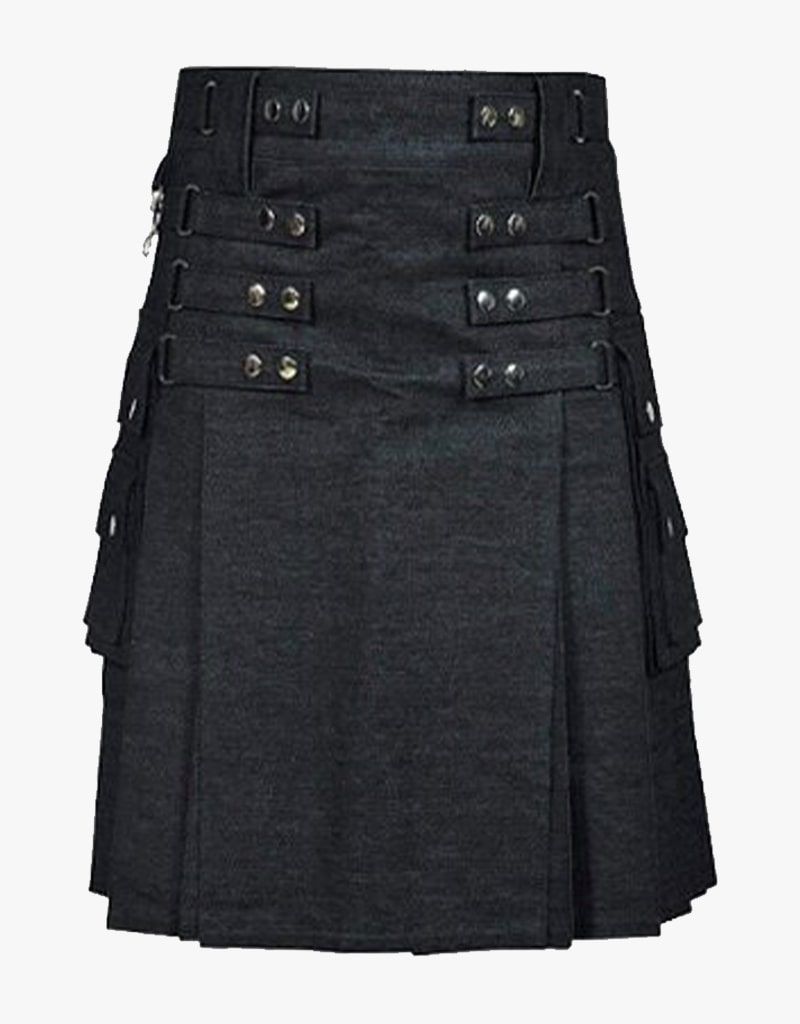
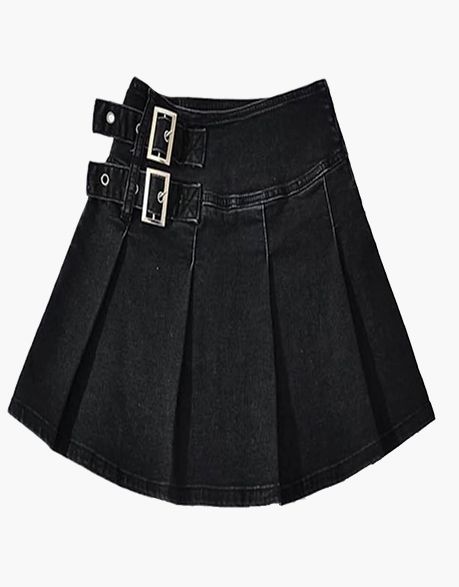
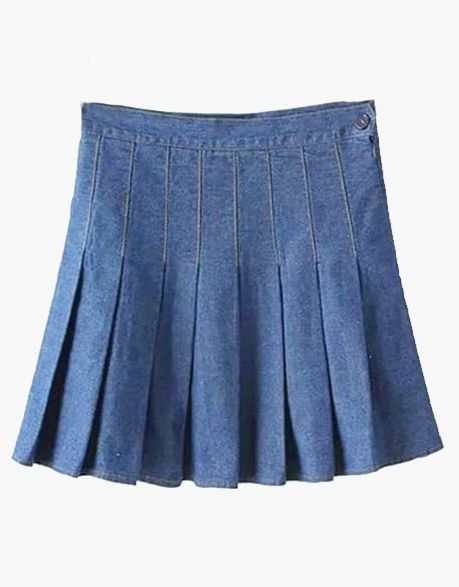
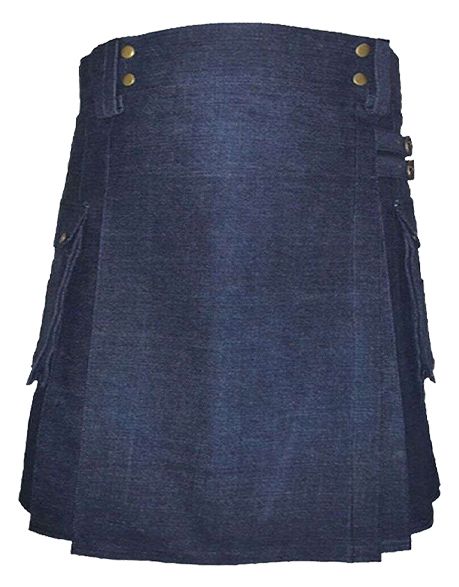
Kilts made with denim jeans are called denim kilts, and they are also common in women. Some factors popularizing them are comfort and durability, while the stylish looks are the most important ones. Kilt-wearers assume them to be the most versatile ones because they fit every situation, whether it is a working situation or you need them as everyday wear. Some of our best-selling denim kilts are mentioned below.Hybrid Kilts for Women
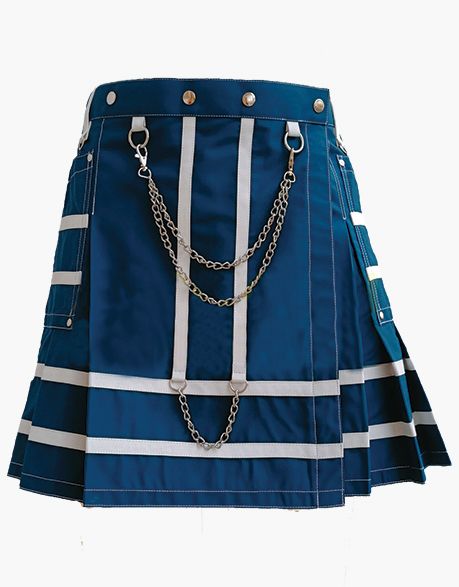
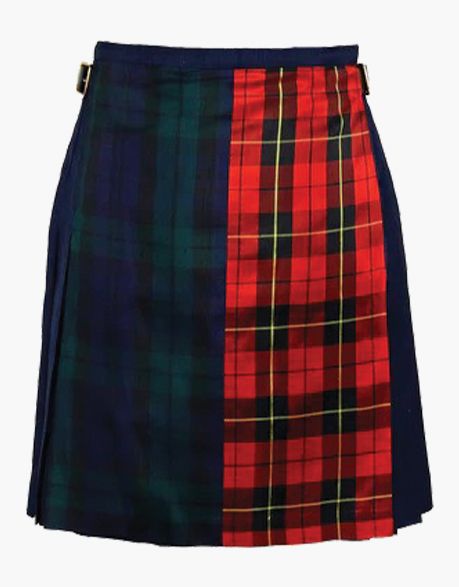
Women also wear hybrid kilts, which are a unique blend of heritage and modernism, and the fabric plays an important role. It is often made with 2 fabrics, including tartan, while others are anything from leather to denim. Women’s hybrid kilts also have some practical features, and a combination of two different fabrics makes them suitable for semi-formal events. The Utility Kilt has a wide range of hybrid kilts, a few of which are mentioned below:What is the difference between men’s and women’s kilts?
When it comes to the difference between men’s and women’s kilts, they differ in many angles, including weight, size, and construction.| Features | Men’s Kilts | Women’s Kilts |
| Weight | Typically heavier due to use of thick, traditional wool (16-18 oz) | Often lighter fabric (10-14 oz), more comfortable and easier to move in |
| Length | Generally longer, falling to the middle of the knee | Usually shorter, often above the knee or mid-thigh |
| Construction | Heavily pleated with a structured waistband and deep pleats at the back | May have fewer pleats, softer tailoring, and often elastic or zippered waistbands |
| Fit | Designed for a straighter, more angular body shape | Contoured to fit curves; often flared or A-line in design |
| Purpose and Styling | Traditionally formal or ceremonial | Often casual, fashionable, or for dancing; paired with modern accessories |