How to Wear a Great Kilt: The Ultimate Guide
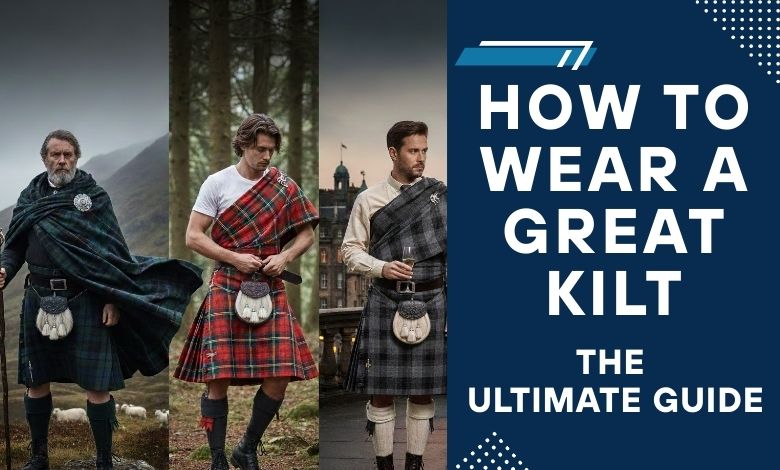
A great kilt, or Fèileadh-mòr, is the oldest type of men’s kilts. The kilts we wear today did not look the same in the past. A Great kilt, being the most ancient version, truly mirrors this statement. This article revolves around the Great kilt and is meant to cover several topics, from its introduction to the wearing tips and occasions to wear.
What is a Great Kilt?

It is a long piece of fabric with some additional yards and extra width. It normally sizes between 6 and 8 yards, while its breadth ranges from 54 to 60 inches. The extra fabric was used as a cloak or a blanket by Scots. The reason to invent this kilt was to prevent the chill breezes of the Highlands’ unpredictable weather. Scottish shepherds were the first ones to wear Great kilts, who spent most of their time in the mountains of Highlands.
Difference between Great Kilt and Modern Kilt
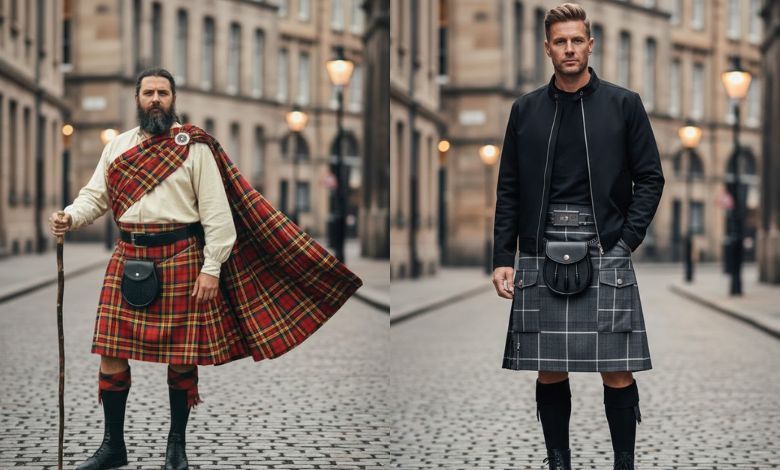
| Aspects | Great Kilts | Modern Kilts |
| Design | Large, unstitched fabric (5–10 yards), wrapped & belted | Tailored, knee-length, pre-pleated |
| Origin | 16th-century Highlands, multifunctional use | 18th-century invention for practicality |
| Material | Heavy wool tartan | Various: wool, cotton, denim, leather, synthetics |
| Functionality | Used as cloak, blanket, or shelter | Has pockets, fasteners, made for modern wear |
| Symbolism | Strong link to heritage and Highland identity | Emphasizes personal style and modern fashion |
| Use Today | Worn in reenactments, heritage events | Used in casual, formal, and fashion settings |
Materials, Fabric, and Tartan Patterns for Great Kilts
The Great kilts are the first variant of tartan kilts, which means tartan wool is the preferred material to make them. Other fabrics such as cotton or polyblend-developed are also used today, but still wool is the first choice.
This particular clothing does not trend now, and the people who are deeply intertwined with their history dress it up in reenactments and heritage occasions. So, on an occasion where you have to show pride in your culture, clan tartan patterns are the only options.
What You’ll Need Before Wearing a Great Kilt
Before you dress up in a Great kilt, knowing all the essentials you may need is an important step. So, we enlisted these accessories to make the wearing process smooth.
- First of all, you must have a kilt, which is a longer piece of tartan fabric.
- Keep a leather belt with you to fasten it on your waistline.
- A brooch is a must-have accessory to hold the extended part of the tartan.
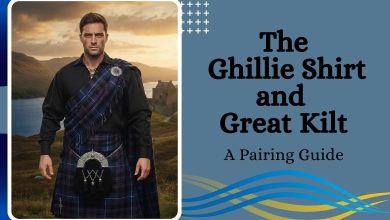
- Pair a crisp white Jacobite shirt with your Great kilt.
- Kilt hose in a solid shade and Ghillie Brogues are also an important part of your traditional dress.
- Attach a dress sporran on the front to embrace heritage and keep your items.
- A Sgian-dubh is part of traditional Scottish dress. So, be sure to have it. The Utility Kilt has recently launched a collection of Scottish dirks to pair with your cultural dress.
Step-by-Step: How to Wear a Great Kilt
Here comes the moment to highlight the most important part of our discussion. People consider wearing a Great kilt a simple process. In fact, the process is neither very easy nor very challenging. Understanding the steps clearly and practicing it a few times makes you wear it easily.
Lay Out the Fabric: Start with laying out the fabric evenly in a way that pleats must face down.
Wrap the Kilt Around Your Body: Stand in the center of the fabric in a way that its button end touches the floor. Hold the upper edge of the fabric, and bring it up to your waist. Wrap the kilt around your waist.
Secure with a Belt: Once the kilt is wrapped neatly, take your belt and secure the kilt with it. Place the belt at your natural waistline and ensure it is fastened snugly around the body. Loose fit usually results in slipping the fabric, while securing it tightly causes discomfort and restricts movement.
Adjust the Upper Portion: Now adjust the upper portion of the Great kilt by draping the additional fabric over your shoulder and fastening it with a brooch. The brooch must have a traditional or Celtic design to complement the attire. At The Utility Kilt, we have various designs for you.
Adjust the Pleats: The last step is to adjust the pleats. Make sure to set them evenly and neatly, as they are the primary identity of Scottish clothing. When you are done with setting pleats, attach other items discussed above, and you are good to go.
Occasions to Wear a Great Kilt
The Great kilts are usually suitable for events where you have to showcase yourself. So, the formality of an occasion decides whether a person can wear a Great kilt or not. They were daily wear in the beginning, but now they are dressed occasionally on the given Scottish events.
| Weddings | Cold Weather Outdoor Celebrations |
| Burns Night Supper | St. Andrew’s Day |
| Black-tie Dinners | Weddings |
Tips for Maintaining a Great Kilt
The proper maintenance of the Great kilt does not differ significantly from tartan kilts because of the same material. So, you should adopt the given approaches to keep your kilt fresh and visually appealing.
- Clean the kilt before and after wearing it.
- Air-dry the kilt after every wear to remove odor.
- Ensure dry cleaning occasionally.
- Do not wash it often, but do so when it is necessary.
- Use cold water with mild detergent.
- Dry it naturally without seeking help from dryers.
- Fold it properly before placing the kilt in a breathable place.
Buy Extraordinary Great Kilts at The Utility Kilt
Now that you have learned how to wear a Great Kilt, what you need for it, and the occasions it’s suited for, you’re ready to buy one for yourself. Wearing premium quality fabric on ceremonial occasions enhances the experience, so visit The Utility Kilt to buy one. We offer kilts at very economical prices as compared to the other brands. Our customer care team is active 24/7 to guide you. So, contact us via the chat box or call us at +1 917-905-7245.