Understanding the Different Parts of a Bagpipe and How They Work
The bagpipe is a very familiar instrument in the world and is much recognised in Scotland. Being a strong sounding, it is closely linked to Scottish history, ceremonies, Highland Games and military history. While it might sound complicated, each part of the bagpipe has a function to serve.
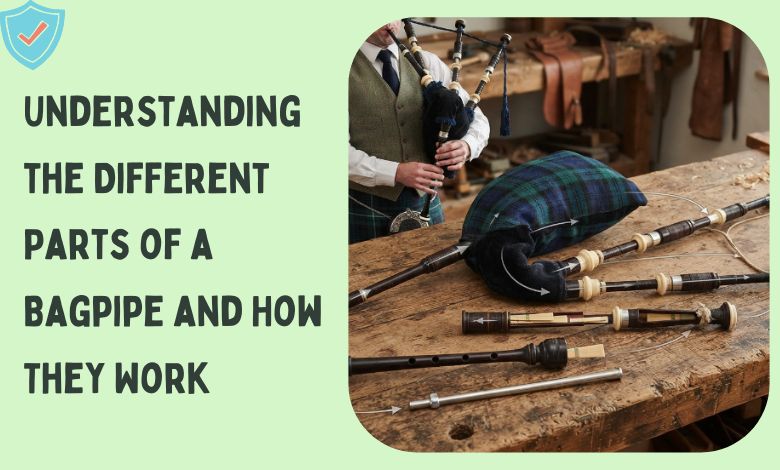
The Great Highland Bagpipe is the most popular type of bagpiper in Scotland. It stores air in a bag to play the melody from the chanter and uses three drones to provide the ongoing background tone. If you know about these parts, it will be easier to grasp the overall instrument.
The Main Parts of a Bagpipe Explained
Part | Main Function |
Bag | Stores and controls the air supply |
Blowpipe | Allows air to enter the bag |
Chanter | Produces the melody |
Drones | Produce continuous background notes |
Reeds | Turn moving air into sound |
The Bag – The Air Reservoir Behind the Sound
The main component of the instrument is the bag. It serves to become an air reservoir and maintain air flow to the player. Historically, bags were made out of animal skin, but contemporary bags can be fashioned with synthetic materials.
The player fills the bag in the blowpipes with pressure under the arm. This pressure makes air circulate continuously although it takes after each breath.
The Blowpipe – How Air Enters the Bag
Blowpipe tube through which the player blows into the bag. When the player squeezes the bag considerately, the valve will normally remain closed and prevent the air from escaping through the blowpipe.
These requests don’t need to come with a lot of pressure. There’s no reason these requests must be done under pressure.
The Chanter – Where the Melody Is Played
The chanter has a double reed, which vibrates when air passes through it. This vibrating sound produces the music.
This series of lessons allows students to investigate the relationship between all the parts of a bagpipe.
How the Parts of a Bagpipe Work Together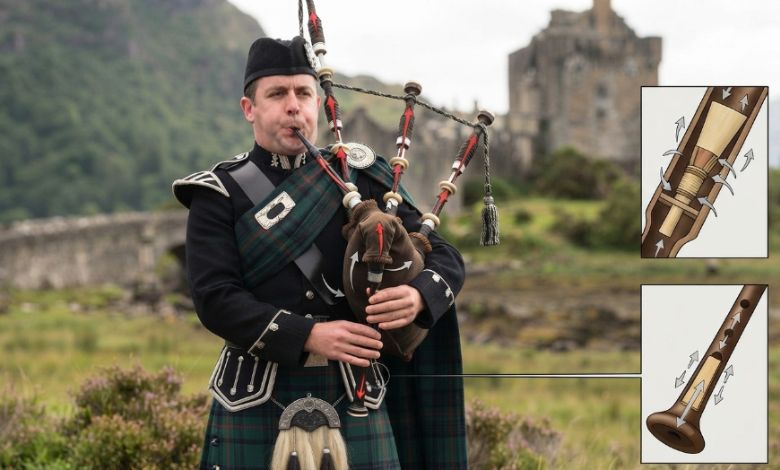
From Blowing Air to Producing Music
It all starts with the player blowing air through the blow gun and filling the bag. The player presses the bag with the arm and this creates the constant air pressure.
This air flows in the internal pipes and finally acquires the reeds. There are a number of drones reeds supporting the melody that is played by the chanter reed. This marriage of the two makes for strong piping.
How Reeds Control Pitch and Sound
It is the reeds which are required to transform airflow into sound. The notes of an instrument are changed by the size, shape and tuning of its reed.
The Different Reeds Used in a Bagpipe
The Chanter Reed and Melody
Usually a adopting cane or synthetic material reed is employed for the chanter such as Handmade Rosewood Bombard Chanter. Over a row in the chanter it vibrates and the player can use the various vibrations to make different notes by changing fingers.
Drone Reeds and the Continuous Tone
There is a reed for each drone. The three drones of the Great Highland Bagpipe provide a continuous drone sound rather than a motif that is changing.
Why Bagpipe Design Has Changed Over Time
From Early Pipes to the Modern Great Highland Bagpipe
Bagpipes are found throughout Europe and other parts of the world and have been around for centuries in various forms. The bagpipes developed slowly in Scotland, the most recognized pipe being the Great Highland Bagpipe.
Modern instruments provide better materials, better reeds and are more uniform and easier to maintain than many vintage instruments.
How Scottish Military Bands Helped Standardise the Instrument
Scottish Military Regiments had an important input to the emerging, standardised, form of Highland Bagpipes. A demand for instruments that could play together was created by military bands, promoting the creation of uniform tuning, construction and playing techniques.
How Bagpipes Are Used in Scottish Culture Today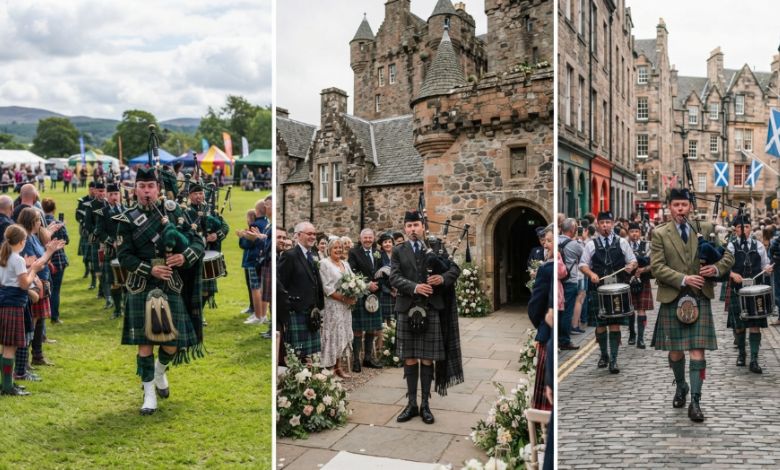
Highland Games, Parades, Weddings, and Ceremonies
Bagpipes such as Scottish Highland Bagpipe Rosewood Black are still a vital element of Scottish festivities today. One can hear them at Highland Games, through Parades, at Weddings, Funerals, at Burns events and other ceremonies. The pipe bands also play around the world at Scottish cultural festivals.
Bagpipes as Part of Complete Highland Dress
Alongside traditional Highland dress like the Highland tartan kilts, sporrans, kilt hose, jackets and Ghillie brogues, bagpipes are usually present. All of these either taken singly or combined give a full Scottish look to any formal event or cultural celebration.
Why Choose The Utility Kilt
Here at The Utility Kilt we have Celtic-inspired garments and accessories for those that wish to embrace Highland fashion. Here we have utility and tartan kilts, accessories and outfits for Scottish events, festivals, and everyday wear. Our main concern is to ensure our designs are comfortable, our materials are of excellent quality, our features are functional and our style is appropriate for modern kilt wearers.
Conclusion
There may seem to be quite a bit going on in a bagpipe, but each individual part serves a purpose. Air stored in the bag, blown into the blowpipe, is played by the chanter and the drones produce a “continuous” sound. The reeds are used to create musical vibrations from the air pressure.
These components form an instrument that has been a mainstay of Scottish culture, a tradition that continues to be shared throughout the world.