The History and Evolution of the Scottish Sporran
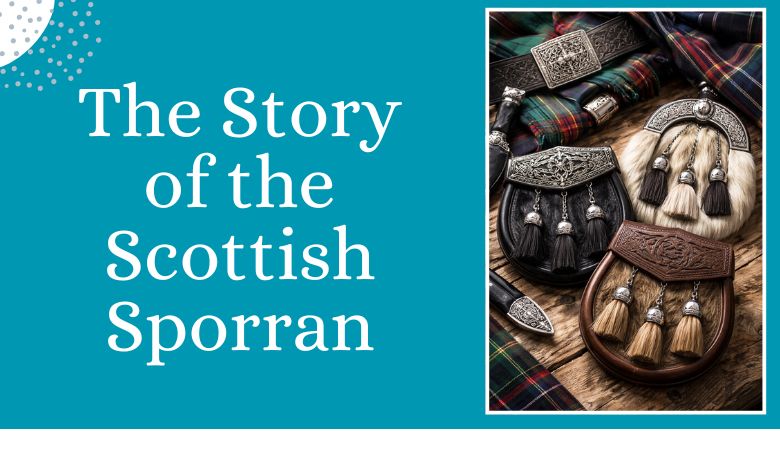
Many accessories are paired with kilts to complete the Highlander dress. Most of these accessories were introduced after kilts, but the sporrans are as traditional as the kilts themselves. In this guide, we are going to dig out the history and evolution of Scottish sporrans deeply. Along with changes in their embellishments and designs, we will discuss their cultural significance and the modern adaptations and current trends.
The Evolution of Scottish Sporrans
The history of the sporran dates back to the 12th century, when Scottish or Highland warriors were said to be the bare-legged fighters with cloaks. It was an era when sporrans were attached on the backside, and they were meant to carry essentials like coins or food. The kilt, whether it was a Great Kilt or today’s modern kilt, never had pockets and sporran fulfilled this requirement.
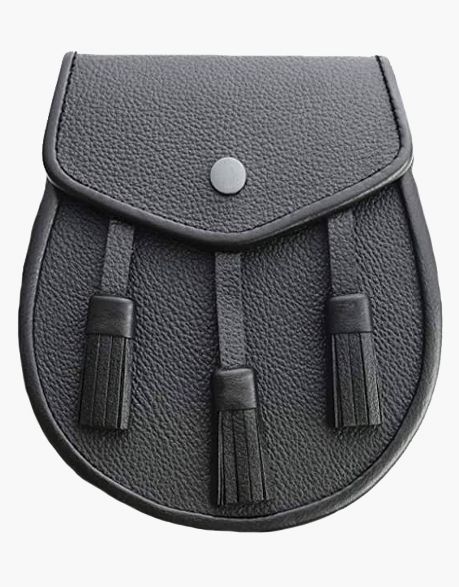
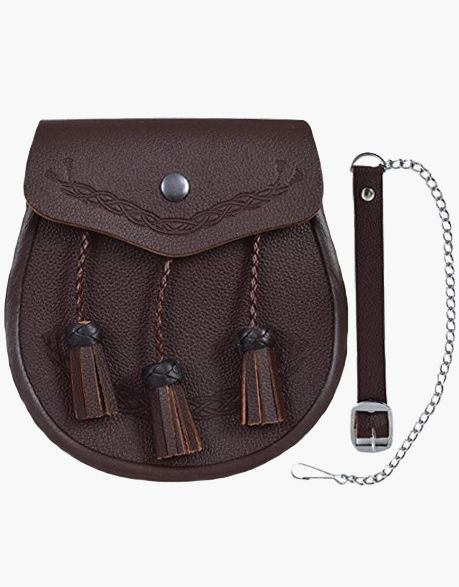
The first form of the sporran was very simple, and people used to make them with deerskin or calfskin. It did not have any decorative embellishments. In other words, the traditional style resembles the day or leather sporrans of the contemporary era.
They had a gathered top and thongs or drawstrings making tassels to tie and keep the necessities safe. The sporrans remained unchanged for a couple of centuries. Those designs are not in use today while some pouches from the 14th century or onwards are kept in Scottish museums as reminders of the past.
Sporrans in the 16th-18th Centuries
During the 15th century people started making Scottish bags with the skin of other animals while the design was the same. The end of the 16th century was a turning point for sporrans as they changed their place from the back of human bodies to the front. The period from the 16th to 18th century brought many changes to Highlander dresses, including kilt bags.
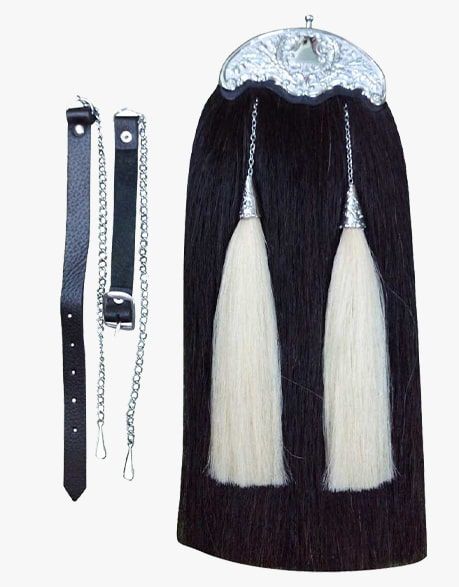
The involvement of other materials, such as metal, and the inclusion of animal hair in sporrans took place at the end of the 17th and beginning of the 18th centuries. The clan chiefs then wore special sporrans to represent their rank. The drawstrings or throngs were removed, and people added flaps as closure. It was the time when horse hair sporrans were introduced for highly ranked people.
Victorian Romanticism in Highland Dress
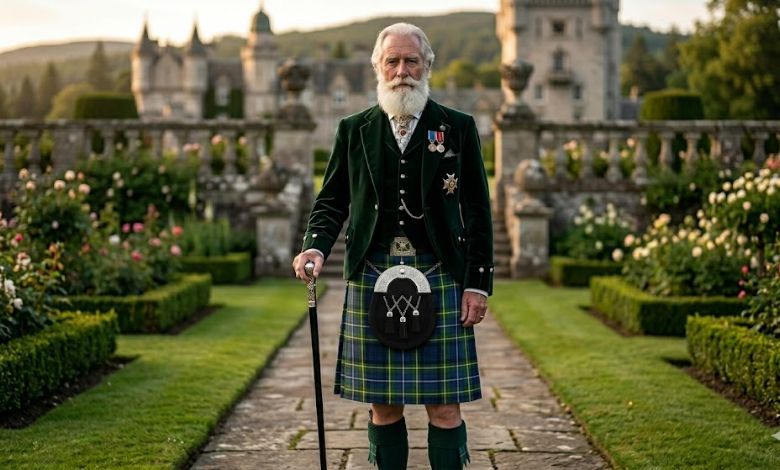
The middle of the 18th century was not a good time for Highland dress, as a ban in the form of The Dress Act was imposed. The use of sporrans was not directly affected by the ban. Sporrans are the companions of kilts, so their use was minimized to a specific level. After the ban was uplifted, the Victorian era appeared as the revival of traditional Highland dress.
- Queen Victoria always had a soft corner for Scottish people and traditions. She visited this country wearing kilts to show solidarity with them.
- It was an era of popularity of Highland dress among aristocrats. Tartan patterns were assigned to clans, kilt pins were added to the dress, and sporrans transformed into formal parts instead of practical bags.
- It was the era of Queen Victoria when decorative embellishments of sporrans were introduced and popularized.
Symbolism and Cultural Importance
Scottish dress witnessed the peak of popularity in that era, and it continues to thrive to this day. The sporrans today have a cultural symbolism and are considered the most essential part of kilt outfits. Today, they serve as a powerful symbol of Scottish culture.
Some sporrans have intricate designs, clan crests, or specific symbols. They show the wearers’ lineage, signifying pride in their heritage. Moreover, the quality of materials used in a bag’s body, hair, and metal describes the social status of wearers. Some kilts also come with regimental insignia or badges to show connection with the particular department. In short, they are important in cultural symbolism.
Modern Adaptations and Trends in Sporrans
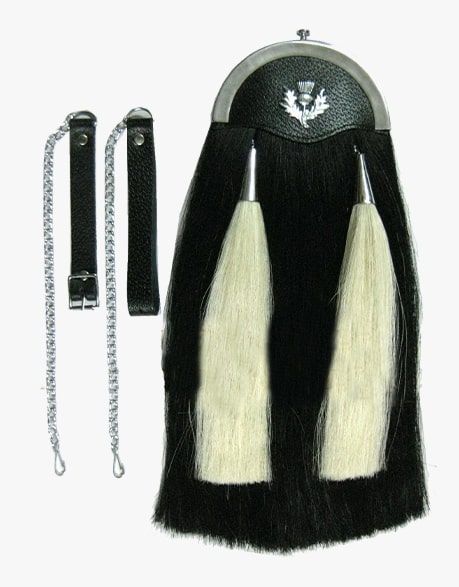
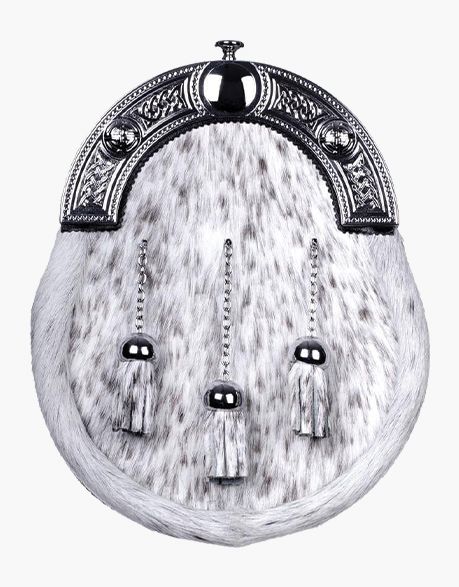
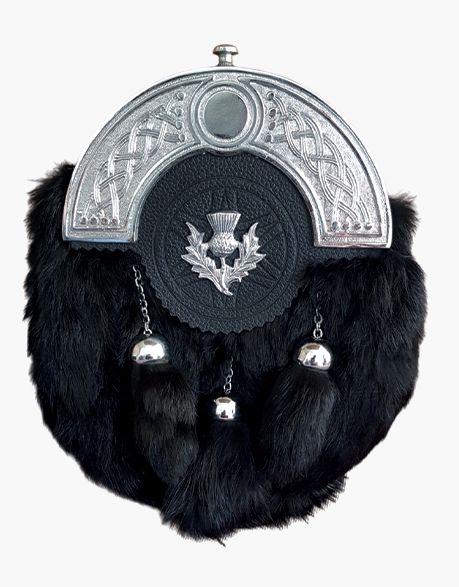
The kilts evolved with time, and the same happened with their bags. As a result, modern adaptations and trends came into being. The use of leather in modern pouches became limited while other embellishments peaked. Have a look at a White Horse Hair Sporran. Leather makes the body only, while the hair, tassels, and cantle remains highly visible hiding the leather.
Likewise, lightweight closures such as magnetic snaps have become popular instead of traditional clasps. A single sporran was good to go at several events in the past, but now size and decorative embellishments are decided according to the event’s formality.
Collection of Modern and Traditional Sporrans
Where to Buy Cultural Sporrans
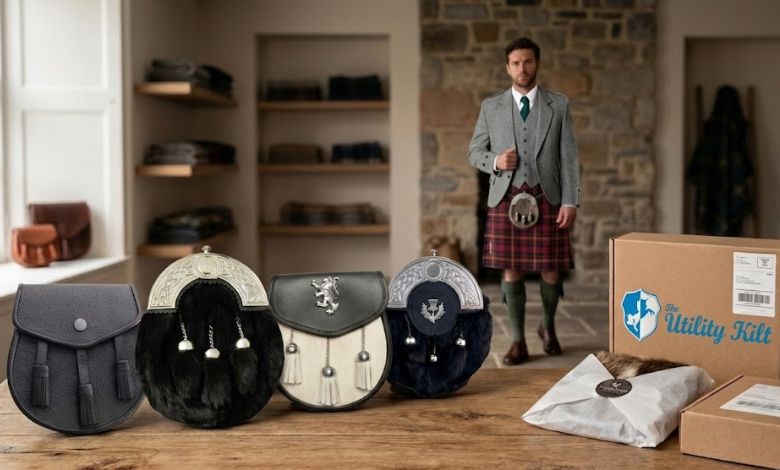
Now that you know about the legacy and evolution of Scottish sporrans, it’s time to buy one. While making a decision, two aspects are greatly valuable: the event’s theme and the brand to buy. If buying for formal settings, opt for a dress sporran or one having horsehair. However, leather sporrans are for casual events. When it comes to the brand, no one can compete with the quality and price of The Utility Kilt. In addition to these features, we deliver products at your doorstep within mentioned time. Our team always waits to answer you via the chat box, support@theutilitykilt.com, or +1 917-905-7245.
FAQs About the History and Evolution of Scottish Sporrans