The Craftsmanship Behind High-Quality Denim Kilts
Denim kilts have carved out a special place in modern kilt fashion. They offer a bold, relaxed look while still honoring the traditional kilt shape. What truly separates an ordinary denim kilt from a great one is craftsmanship. Careful tailoring, strong materials, and attention to detail all play a major role. In this article, we’ll explore how skilled craftsmanship shapes high-quality men’s kilts, especially denim kilts and why it matters so much for comfort, durability, and style.
What Are Denim Kilts?
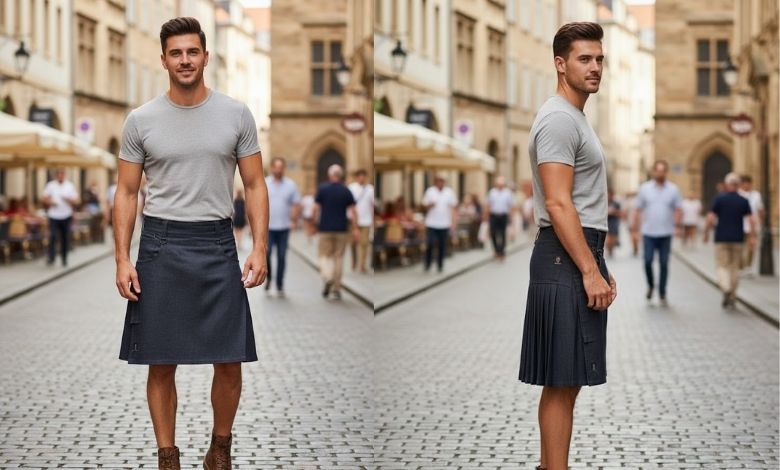
Denim kilts are made using sturdy denim fabric instead of traditional wool or tartan cloth. They follow the classic kilt design but feel more casual and rugged. Denim works well because it is breathable, durable, and easy to wear. These kilts suit everyday life while still keeping a structured and stylish appearance. When made properly, denim kilts offer both comfort and long-lasting performance.
The History and Evolution of Denim Kilts
Denim began as workwear because it could handle tough conditions. Over time, designers saw its potential beyond jeans and jackets. Denim slowly made its way into kilt fashion as people looked for stronger, more practical alternatives. What started as a utility-inspired idea soon became a fashion choice. Skilled craftsmanship helped refine denim kilts into garments that feel modern yet well-balanced.
Understanding Denim Fabric Quality
Not every type of denim is suitable for kilts. High-quality denim kilts use fabric that is tightly woven and strong enough to support pleats. Fabric weight is also important. Very light denim may lose shape, while extremely heavy denim can feel stiff. Skilled makers select denim that provides structure without sacrificing comfort. Quality fibers also help the kilt age gracefully over time. At The Utility Kilt, premium-grade denim is carefully selected to balance strength, flexibility, and long-term wear.
The Craftsmanship Behind Denim Kilts
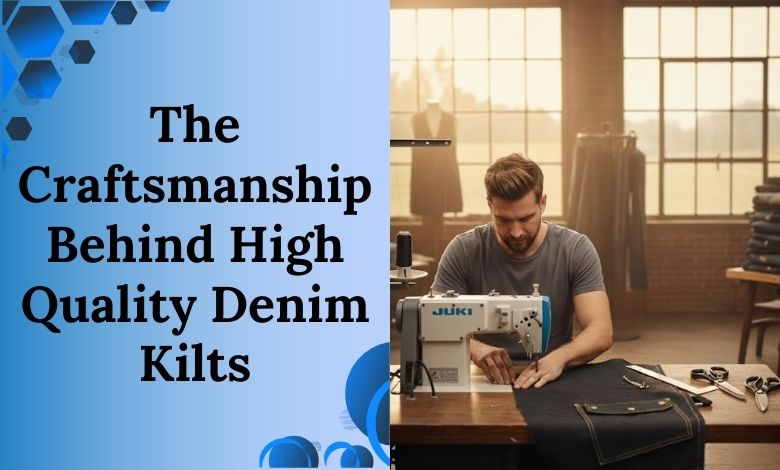
Craftsmanship is the heart of a well-made denim kilt. Skilled tailors carefully cut the fabric to maintain balance and symmetry. They focus on details like stitching lines, pleat alignment, and fit accuracy. Each step requires precision. When done correctly, craftsmanship ensures the kilt feels comfortable, moves naturally, and holds its shape through repeated wear.
Craftsmanship Details That Define a High-Quality Denim Kilt
Several key features reveal whether a denim kilt is crafted with care or rushed through production.
Precision Pleating
Pleats define the look and movement of a kilt. High-quality denim kilts feature evenly measured and neatly pressed pleats. Skilled craftsmen ensure the pleats flow smoothly when walking and sit flat when standing. Poor pleating can ruin both comfort and appearance, while good pleating keeps the kilt sharp and balanced.
Reinforced Stitching and Seams
Strong stitching is essential for durability. Well-crafted denim kilts use reinforced seams and clean stitching, especially in high-stress areas. This prevents tearing and increases lifespan. Neat stitching also adds a polished finish that reflects quality workmanship.
Strong Waistbands and Closures
A solid waistband helps the kilt sit properly on the waist. High-quality denim kilts use sturdy waistbands with reliable closures such as buttons, snaps, or straps. These features improve comfort and keep the kilt secure throughout the day.
Functional Pockets and Hardware
Denim kilts often include pockets for practicality. Skilled craftsmanship ensures these pockets are reinforced and positioned correctly. Quality metal hardware, like rivets or buckles, adds both strength and visual appeal without compromising comfort.
Who Should Choose High-Quality Denim Kilts?
High-quality denim kilts are ideal for casual wearers, outdoor enthusiasts, and fashion-forward individuals. They work well for festivals, daily wear, and light utility use. People who value durability, comfort, and modern style will appreciate a well-crafted denim kilt. Beginners also benefit because denim kilts are easier to maintain than traditional wool kilts.
Denim Kilts vs. Traditional Kilts
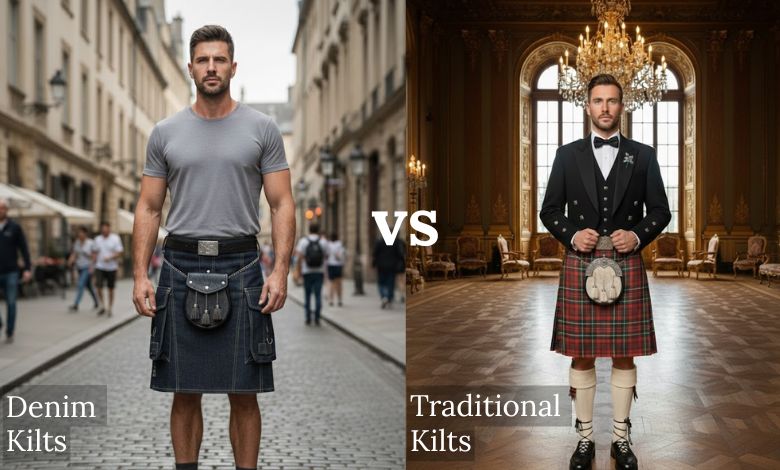
Denim kilts differ from traditional fabric kilts in both look and care. Fabric kilts offer a classic appearance but often require careful maintenance. Denim kilts provide a more casual style and are easier to clean.
| Features | Denim Kilts | Tartan Kilts |
| Material | Made from strong denim fabric | Made from wool or tartan cloth |
| Look & Style | Casual and modern appearance | Classic and traditional look |
| Comfort | Comfortable and flexible for daily wear | Warm and structured, best for formal wear |
| Durability | Very durable and resistant to daily wear | Durable but needs careful handling |
| Care and Maintenance | Easy to wash and maintain | Requires careful washing or dry cleaning |
| Best Use | Everyday wear, festivals, casual outings | Weddings, ceremonies, formal events |
Why Craftsmanship Matters When Buying Denim Kilts
Craftsmanship directly affects comfort, durability, and value. A well-made denim kilt lasts longer, fits better, and looks sharper. While cheaper options may save money at first, they often lose shape quickly. Investing in quality craftsmanship means long-term satisfaction and confidence every time you wear your kilt.
How to Care for High-Quality Denim Kilts
High-quality denim kilts are crafted with skill, precision, and durable materials. Proper care protects this craftsmanship, helping the fabric, stitching, and structure stay strong. Simple habits ensure your denim kilt keeps its shape, comfort, and clean appearance for years.
Gentle Washing Preserves Fabric Strength: Wash denim kilts in cold water using mild detergent. This protects the carefully chosen denim fabric and prevents weakening of fibers that skilled craftsmen rely on to maintain structure and durability.
Low Heat Protects Skilled Stitching: Avoid hot water and high-heat drying. Excess heat can damage reinforced stitching and seams, reducing the strength created through precise craftsmanship and careful construction.
Air Drying Maintains Shape and Fit:Air drying allows the kilt to keep its natural shape. This method protects pleats and waistband structure, which are shaped by skilled tailoring to ensure comfort and balance.
Careful Ironing Keeps Pleats Sharp: Use low heat when ironing and focus on pleats gently. This maintains the crisp lines formed by expert pleating techniques without flattening or damaging the denim.
Proper Storage Protects Tailored Details: Store denim kilts folded neatly or hung properly. Good storage prevents stress on seams, pleats, and waistbands that are carefully reinforced during the crafting process.
Spot Cleaning Prevents Long-Term Damage: Address stains early instead of frequent washing. This helps preserve fabric quality and reduces stress on stitching, allowing the craftsmanship to remain intact over time.
Explore Premium Denim Kilts at The Utility Kilt
The Utility Kilt offers premium denim kilts crafted with attention to detail and durability. Our collection features strong fabrics, precise stitching, and comfortable fits. Each kilt reflects skilled workmanship designed for modern wearers. Whether you want a casual look or a bold statement, our denim kilts are perfect for you as they combine quality and style.