The Purpose and Placement of the Kilt Pin: Function and Style
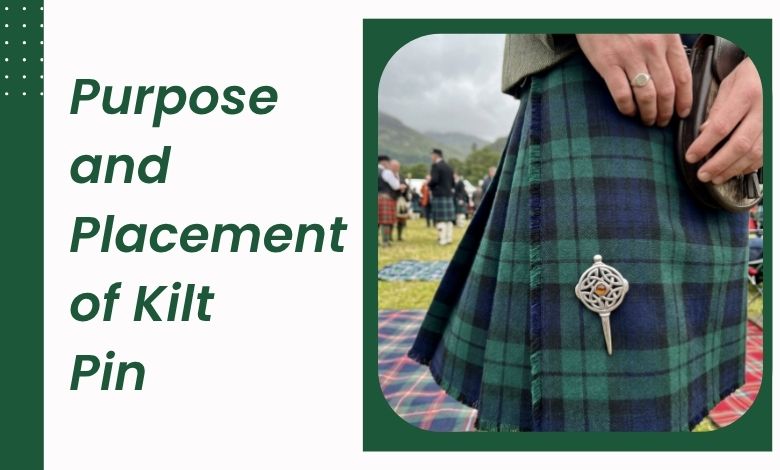
A kilt pin can seem like a small and probably insignificant bit of decorative equipment but it has a big role on the traditional Scottish Highland outfit. It sits on the front front of a kilt, and provides both practical and aesthetic benefits as it helps to shape the garment and create a unique look.
The kilt pin has come a long way from its simple practical purpose to a symbolic fashion accessory by the way. In the present times there are many designs which reflect the heritage, identity and style of a person. The purpose of this kilt pin, where to hang it and the significance of the various styles when wearing it in the style of the Highlands is discussed here.
What Is a Kilt Pin?
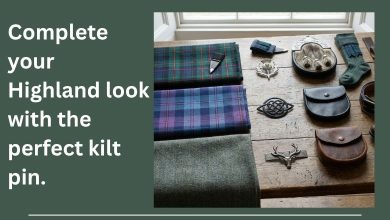
A kilt pin is a piece of cloth brooch with metal work that is used to decorate the front apron of a kilt. It is typically adorned with figurative symbols like swords or knots and/or cultural meanings or symbols for the community or nation it represents. It’s also highly functional and improves the look.
It was part of Highland traditional clothing.
In Highland dress, all of the accessories convey a message or purpose. So the kilt pin is no different. It not only keeps the kilt in place but also adds to the classic tartan look.
Purpose of a Kilt Pin
Adding weight and stability to the kilt
A kilt pin is primarily used for weight on the outside of the kilt. This will create a taut on fabric that won’t lift in the straps too much when walking.
By securing the fabric a little bit, it keeps the kilt from appearing untidy and disheveled.
Preventing movement in wind and activity
The intent of kilts is that they flow freely, such that they can move about in the wind or during exertion. A kilt pin can be very useful to prevent the kilt’s front apron from moving up or down too much, particularly during outdoor or formal occasions.
Not fastening the kilt, but rather holding it up just enough to make it more staunch.
Enhancing overall outfit appearance
Kilt pins also serve as a finishing touch on Highland outfits, beyond just their role in the functional aspect. The right pin can make a kilt look more interesting and appealing, adding detail, sparkle and personality to the ensemble.
Correct Placement of a Kilt Pin
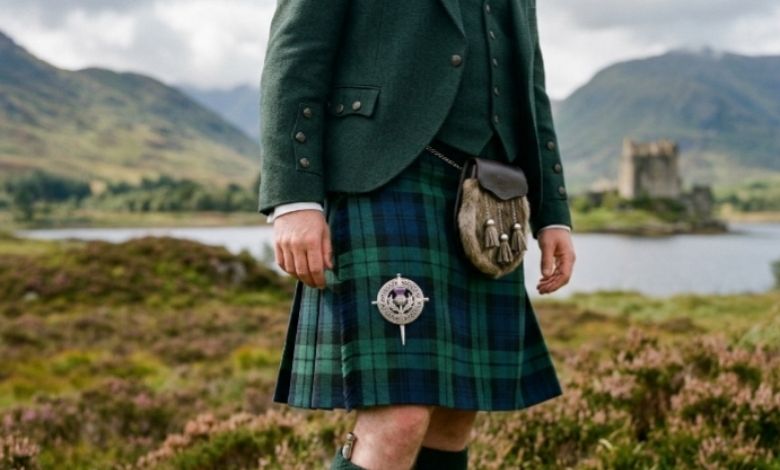
Where to place a kilt pin on the apron
A kilt pin is placed on the left side of the kilt. A kilt pin can be placed just about anywhere on the apron.
The proper position for a kilt pin is on the outer front apron (usually on the RIGHT if worn), in the front only.
How far from the edge it should sit
The distance of its placement from the edge should be at least half the designated path or half its thickness.
Typically, the pin goes about an inch and a half from the bottom and side edge of the kilt. This will provide the correct balance and will ensure that damage is not done to the fabric. It is important for comfort and looks to place the item.
Common mistakes to avoid
A frequent error is to put through both sides of the kilt. This can make movement more difficult and cause damage to the fabric.
Placing the pin too high or in the middle of the bench wall limits the effectiveness of the pin.
Popular Kilt Pin Designs and Their Meaning
Sword-style kilt pins – strength and tradition
The Scottish weapons pay homage to in Scotland such as the Claymore form a Sword-shaped kilt pin.
The Chromed Sword Kilt Pin with Celtic Shield Design and the New Deluxe Claymore Sword Thistle Head Kilt Pin are symbols of strength, honour and Highland warrior heritage.
Celtic kilt pins – unity and heritage
Celtic Knot designs represent eternity, unity and connectedness. These patterns are without starting and ending, manifesting continuity and tradition.
If you’re looking for a classic accessory to wear, the Scottish Highland Accessories Celtic Kilt Pin is a good representation.
Animal and national symbols – identity and pride
Some kilt pins are even medallions with symbols relating to the country or they have thistles and lions to symbolise pride, courage and national identity.
The Highland Scottish Rampant Lion Kilt Pin Chrome Finish reinforces strength and royal heritage and the thistle is a symbol of strength and resilience.
Religious and cultural designs
Some symbols, including masonic or Irish based items, are related to setters beliefs and heritage.
There are some designs that are meaningful which can be worn in formal and ceremonial contexts such as the Scottish Highland Masonic Kilt Pin and the Irish Harp Kilt Pin Custom.
The Shamrock Scottish Utility Kilt Pin is another symbolic object that recognizes the Irish identity and tradition. This is an explanation of how to select the correct kilt pin.
Featured Kilt Pins from The Utility Kilt
Our Kilts shop online stocks a variety of kilt pins, suitable for both traditional and contemporary Highland looks. All components feature craftsmanship, durability, and symbolic design.
The kilt is not a blue-green plaid, but rather a plaid that symbolizes a very special occasion. While keeping to the traditional style, each kilt pin is a stylistic and personal accent to your Highland dress.
Why the Kilt Pin Still Matters Today
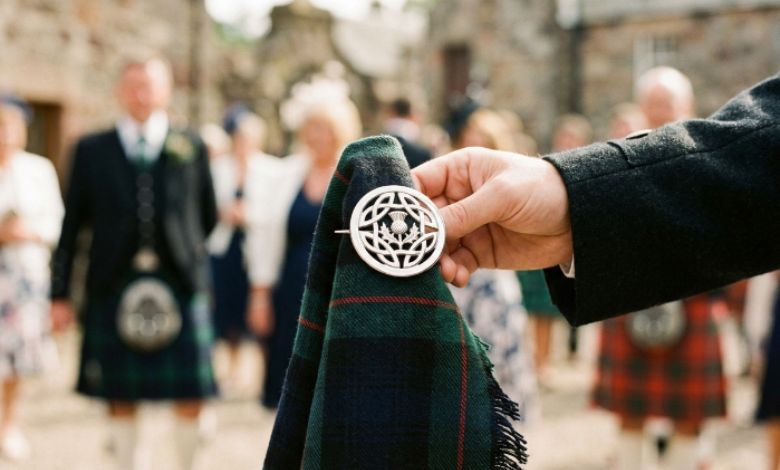
The kilt pin is an important accessory irrespective of trends in fashion. Reflects tradition, enabling personal design. The kilt pin remains an integral part of Highland attire, be it for wedding, cultural, or everyday wear.
It is one of the symbolic and functional Scottish accessories that adds the most to their outfit.
Conclusion
The kilt pin is not only a proud part of Highland fashion, it is also a useful, functional and symbolic accessory. It plays a vital part in traditional Scottish culture, as well as in the stability of the kilt, and still has a value in contemporary attire.
When using a correct design and positioning, people are able to improve the look and authenticity of their kilt suit.