Different Styles and Materials of Kilt Pins
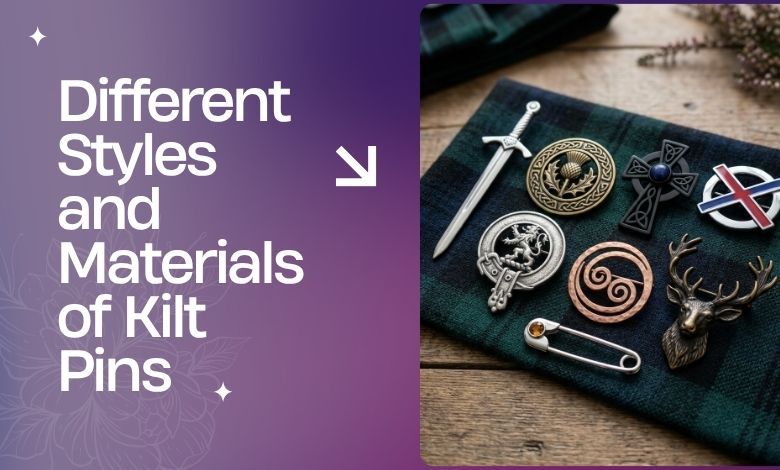
Kilt pins are a fairly new addition to the Scottish outfits. There is a specific symbolism behind kilt pins, and they have a practical purpose. Along with being a functional part of an outfit, they also perform as a decorative addition. Therefore, the selection of a relevant style and appropriate materials of kilt pins is necessary regardless of their purposes to complement Scottish dress. This article aims to make you learn about the common designs and materials of kilt pins. Moreover, it will offer some tips to choose the right one and to care for it.
The Symbolism Behind Kilt Pins
Kilt pins are often seen as symbols of Scottish heritage, representing pride, tradition, and craftsmanship. They are typically worn on the front of a kilt, securing the fabric and adding a decorative touch. Beyond their functional role, they also symbolize strength, with some featuring Celtic knots or tartan patterns that link wearers to their clan or ancestral roots.
Common Materials of Kilt Pins
Kilt pins are meant to apply weight to the kilt’s apron to prevent flapping. So, the material you opt for should be heavy enough to hold it. That’s why metal is the primary choice. This substance further has many types that are discussed below.
Pewter
Pewter is a widely accepted and excellent choice to make kilt pins because of its durability. In addition to being durable, it is easily moldable, resulting in a swift process of making pins. Moreover, it has a silver-grayish appearance that adds to the elegance and matches traditional tartan patterns.
Sterling Silver
Another material that experts use continuously in the formation of Scottish pins is sterling silver. It is durable and traditionally used to make pins and brooches, offering classical aesthetic appeal. Sterling silver also molds without resistance. This is a common reason why people prefer it to design intricate styles, such as Celtic Knots, the Lion-rampant, and more.
Brass
The brass is a metal alloy that is a combination of zinc and copper. It often has a golden color, offering a luxurious feel. People consider it to be an economical form of gold and its durability and resistance to corrosion make it a top choice. Above all, brass is heavy enough to apply a significant weight to the kilt’s front and fulfill the practical needs.
Stainless Steel
Another metal alloy, stainless steel, is the most used substance to make strong things, including kilt pins. It exists in different forms, from matte to polished looks, and most importantly, it is recyclable without losing its quality. Those who prefer sustainability often prefer pins made with it. The longer lifespan and strength-to-weight ratio of steel kilt pins combine to provide people with cheaper prices.
Gold-Plated or Solid Gold
Gold is an expensive material used in making pins, and not everyone can afford it. This is the reason such pins are not common to see. Those who want to show their status or want a luxurious feel often prefer these items. An alternative option for this material is gold-plated. It involves the golden layer only instead of crafting an entire pin with gold.
Styles of Kilt Pins
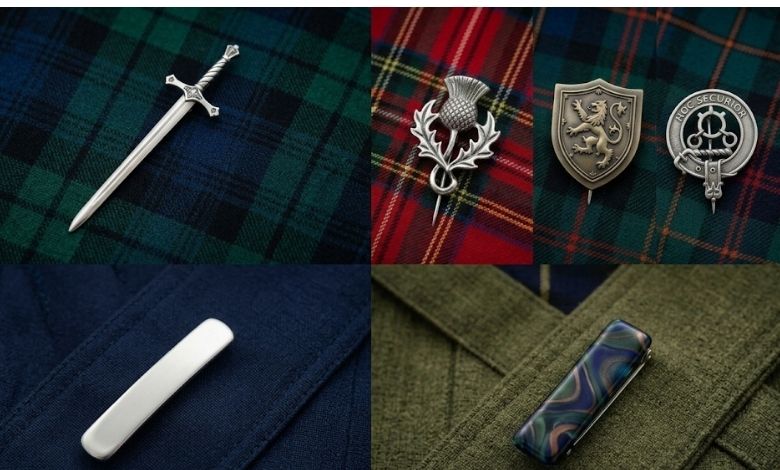
Kilt pins may look small, but they also admire the Scottish heritage, and their existence in various styles proves it. Depending on the event’s theme, Highlander can choose anything from traditional to clan and contemporary styles.
Traditional Styles
Traditional styles are the ones that people often wear to honor their traditions and these styles can be anything from Scottish symbols to Celtic marks.
Claymore sword design: Swords are common to find on Scottish pins, as they represent the bravery, war traditions, strength, and honor of Scots. If you need it, The Utility Kilt has a Claymore Silver Broad Sword Kilt Pin, which is available at just $27.00.
Thistle motifs: A traditional design of kilt pins is the one having thistle, the national flower of Scotland. People often buy Scottish Thistle Kilt Pins to signify resilience, strength, pride, courage, and protection.
Rampant Lion Style: The Lion Rampant is a traditional sign of Scots symbolizing courage, strength, and royal authority. People often attach the Highland Scottish Rampant Lion Kilt Pin to show their loyalty to Scottish royals.
Clan Crest Kilt Pins
The crests of kilt pins are also engraved with the sign of clans. These items are specific to the clan members who are interested in showcasing their association with their tribe. Let’s make it easier with an example of the Grierson Clan. Its crest has a fetterlock with the motto ‘Hoc Securicor.
Contemporary & Minimalist Designs
It is not necessary to pair traditional or clan-crested pins with tartan kilts. People can also pair modern styles of items with minimalist design. These designs range from creative designs to having nothing on the crest.
Choosing the Right Kilt Pin
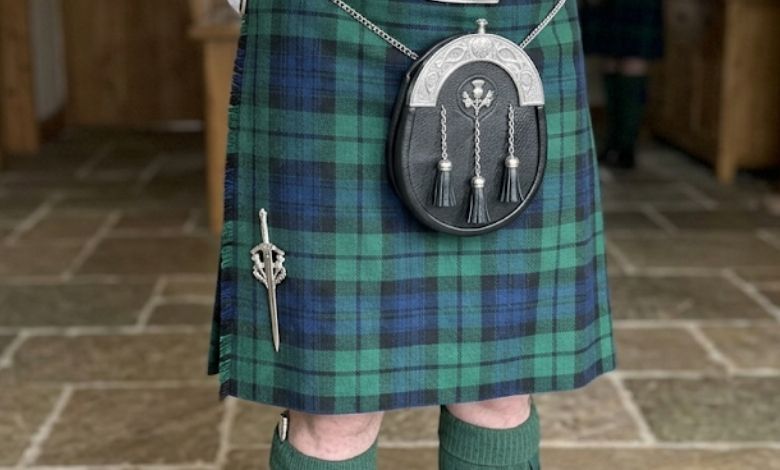
Even though choosing the right kilt pin to pair with your attire is not a challenging task, it still requires some considerations. You must match it with tartan and kilt type according to the occasion. So, follow the given tips for an accurate selection.
- The pin should match with the tartan and type of kilt. Its material should complement other metallic accessories such as sporrans and brooches.
- Do not overlook the formality of the occasion while opting for a pin. The ideal options for formal or cultural celebrations are the ones with traditional motifs or those with clan crests.
- The weight and size of the pin should be according to the kilt. Make sure that it holds your apron properly without damaging the fabric.
Caring Tips for Kilt Pins
The proper care of kilt pins guarantees their longer lifespans. Surprisingly, the caring tips are as easy as their size. Adopt the following approaches and keep your pin effective for years.
- Wipe the pin with a soft, dry cloth before and after every use to prevent rust.
- Regularly inspect for any damage to your pin.
- Keep it away from harsh chemicals and heated instruments.
- Store the pin properly in a cool and dry place, as the humid locations can cause rust.
Buy Premium-quality Kilt Pins at The Utility Kilt
Have you decided on what type and material of kilt pins you are going to buy next? Visit The Utility Kilt. We are well-known for providing premium-quality pins at cheap prices. Despite being a US-based company, we serve Scots worldwide and deliver products to their doorsteps safely. Let our team know about requirements; we will deliver as soon as possible.