The Rise of the Tactical Kilt: Functionality Meets Unique Style
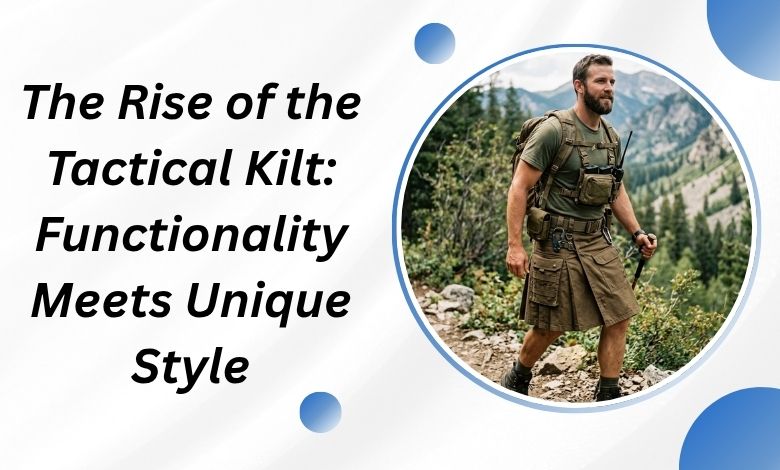
Clothes usually have history, culture and identity to reflect. No clothes are depictive of this than Scottish kilts. The kilt is known all across the world and has been considered to be a symbol of Scottish culture and pride with its unique pleats and tartan belts. Gradually, however, the fashion changes and traditional clothes are being modified to suit contemporary life. The tactical kilt is one such interesting example you can observe for this change.
The tactical kilt is a blend of the traditional kilt construction as well as the current design elements which include durable materials, cargo pockets and adjustable straps. This is a combination of tradition and practicality which has enabled kilts to gain new grounds outside ceremonies and cultural events. Tactical kilts are easy to carry including Olive Green Combat Multicam Tactical Kilt being soft and comfortable. They can now be found in outdoor activities, urban fashion, festivals and even in the professional world where comfort and mobility is appreciated.
The Heritage of Kilts in Scottish Culture
Kilts are very much related to the Scottish identity and past. The designs that are stitched to the clothes called tartans tend to symbolise specific groups of clans or families or even regions. These designs narrate family and also nationality histories that go centuries back.
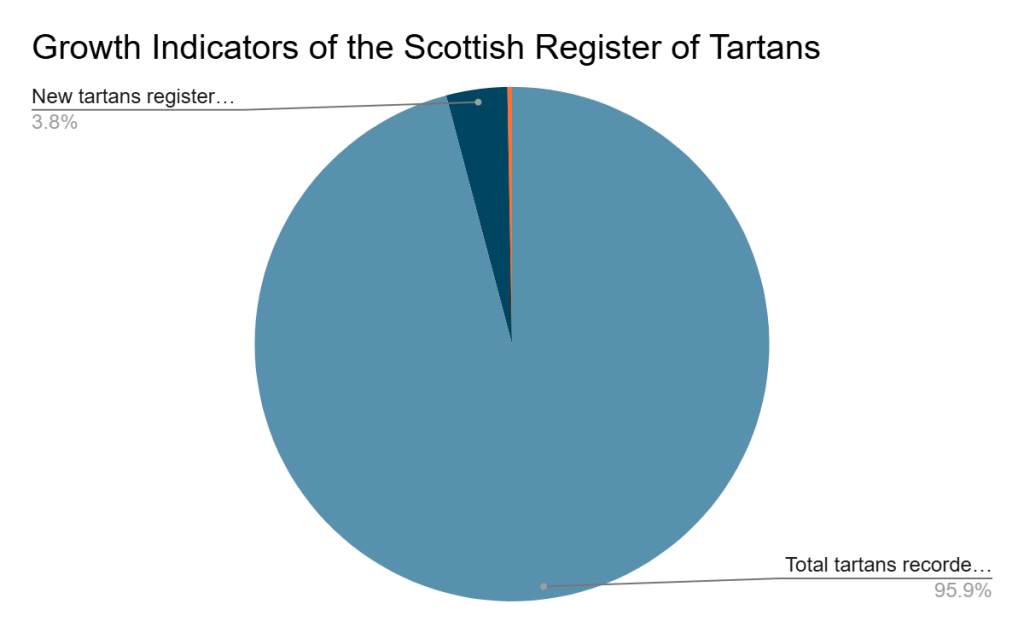
To conceive this cultural heritage, the Scottish government has established the Scottish Registrar of Tartans, a national database that contains apt tartan designs all over the world. It was opened on 5 February 2009 and runs under the National Records of Scotland (NRS). It aims at maintaining historic tartans and recording newly developed designs to be used by the future generations.
The registrar currently contains over 10,000 tartans with about 400 new tartans being added every year (NRS). This expanding collection demonstrates that the popularity of the tartan design and Highland dress has been on the increase all around the world.
Early Highland Kilts
The kilt in its earliest form was seen in the 16th century in the Scottish Highlands. This was a very different or unique garment in comparison to the modern one and was commonly known as the Great Kilt. It was made of a wool piece of cloth that could cover around the body and was able to be thrown down the shoulder.
Highlanders were interested in such a design since it was incredibly convenient. The heavy wool kept them warm during cold climates and the loose building gave them a chance to move freely in the mountainous Scottish landscape. Even a blanket could be made out of the same cloth at night. In the eighteenth century, the design was made smaller and resembled the current kilt today.
Historical Turning Point: The Dress Act of 1746
The Jacobite rebellion of 1745 was one of the greatest events in the history of the kilt. The British government in an attempt to regulate the Highland culture came up with a Dress Act of 1746 that banned the wearing of traditional Highland attires like kilts and tartans. Highlanders were not legally allowed to wear the clothes that represented their cultural identity decades ago. The legislation was in being until it was finally repealed in 1782.
Instead of doing away with the kilt, this was the time that the kilt gathered more meaning. Upon lifting of the ban, the kilt came back as a strong identity of Scottish pride and heritage.
What Is a Tactical Kilt?
The modern adaptation of the garment is the tactical kilt. Whereas traditional kilts are mainly ceremonial and heavy wool tartan, tactical kilts are meant to be worn on a daily basis.
These kilts can be made of strong fabrics like cotton, canvas or polyester blends. They have big pockets, adjustable straps and strengthened sewing for your perfect look. They can be worn at work as well, during adventures outside and as everyday clothes. Having a combination of historical inspiration and modern functionality, tactical kilts prove that traditional clothing can also fit in the modern lifestyle.
Key Features That Make Tactical Kilts Practical
Kilims are made of wool, which is a customarily heavy and warm tactical kilt, in turn, can be available with robust cotton or canvas materials that are durable and not too heavy. Tactical kilts can be used to go hiking, working or doing any outdoor activity as these materials are designed to be used actively.
Durable Materials
The material is durable when it comes to daily life routine including going out, or playing. The kilts are adjustable and made with good fabric which is lighter. However, traditionally, tactical kilts were heavy to carry but today, they are made with material like cotton, thus, they are designed to carry with ease.
Functional Pockets and Utility Straps
It is a characteristic of tactical kilts to have cargo-style pockets and utility loops. These features make the piece a work-wear. As a result, those who wear kilts such as Tactical Camo Kilts. Do not have to carry extra bags with the help of which they can carry such important things as tools, phones, or outdoor equipment.
Comfort and Freedom of Movement
Similar to the traditional kilts, the tactical kilts are very free-moving. The pleated design is flexible and trousers lack this. This comfort, renders them appealing to individuals who spend most of their time standing, walking or exercising outside.
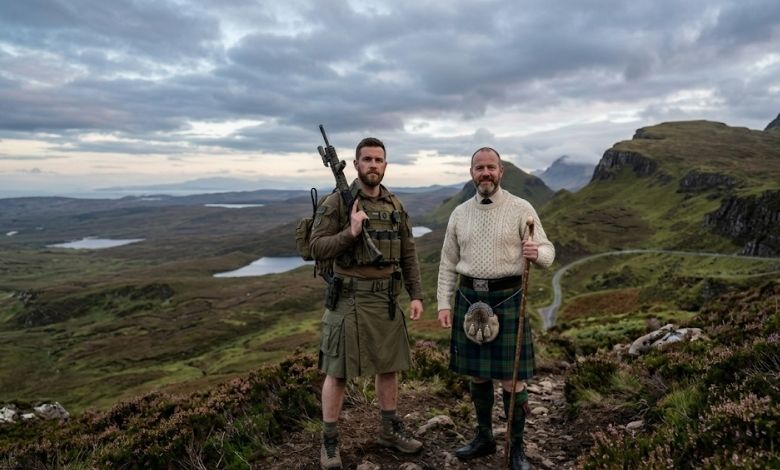
Tactical Kilt vs Traditional Kilt – Comparison Table
Tactical Kilts in Modern Events and Lifestyle
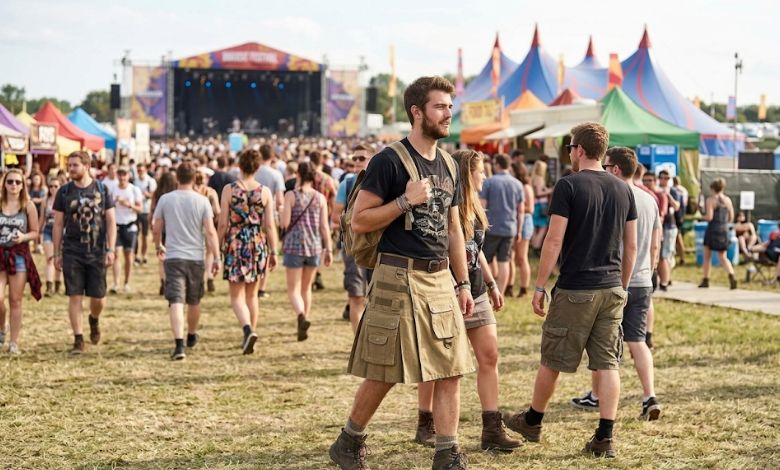
Nowadays kilts can be found at numerous contemporary decorations outside the transitional ceremonies. Contemporary kilts like Khaki Combat Utility Kilt are a common sight in music festivals with the people wearing them as part of creative fashion. Outdoor enthusiasts enjoy the comfort and the ventilating feature of the garment, particularly when they engage in activities they consider as hot weather.
Kilts are being seen in more and more urban collections, traditional but not conservative in design. The functional features of Tactical kilts have gained much popularity among individuals whose main goal is to have something that is functional and at the same time gives them a unique appearance.
The Future of Tactical Kilts in Fashion
The tactical kilts have a bright future. As fashion is once more revisiting the heritage clothes, designers are experimenting on various fabrics, color, and practical attributes. This is the innovation which makes the kilt relevant in the constantly evolving fashion environment. Combining tradition and utility, tactical kilts may be considered a good example of how the historical garment may be adopted without losing its cultural meaning.
Hence, today, tactical kilts are being introduced in the market but their unique soul is preserved. Each tactical kilt is giving the vibe of history and culture relating to Scottish people. Now it is not merely about modern clothes but people are re-living the history while wearing tactical kilts. Thus, a bright future is not just ahead but it has already arrived.
FAQs About Tactical Kilts
Tactical kilt is a new adaptation of the traditional Scottish kilt that has undergone modifications to suit modern lifestyle like resistant clothing, cargo pockets, and straps.