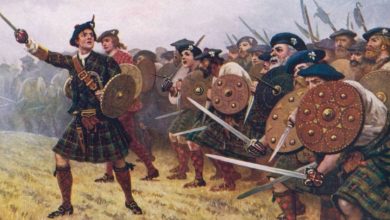
The History and Cultural Significance of Bagpipes Around the World
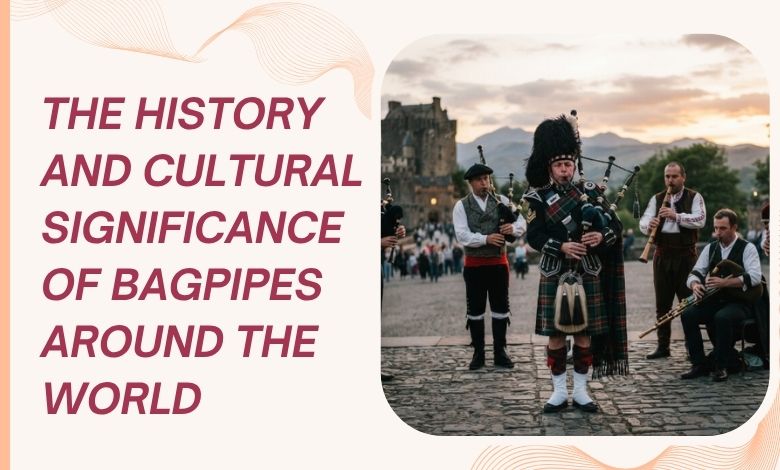
Bagpipes are one of the most recognisable instruments, perhaps the oldest instrument, in the world. The image of Scotland in people’s minds when they think of bagpipes is much of a threat and forms a large part of the image, however many people wouldn’t have thought of Scotland being where bagpipes had been heard for hundreds of years at least. Their unique sound has made them a huge part of various cultures, celebration, ceremony, festival and military traditions. Bagpipes today are still a symbol for heritage, pride and tradition and they are still raising the profile of traditional music amongst new generations.
The Origins of Bagpipes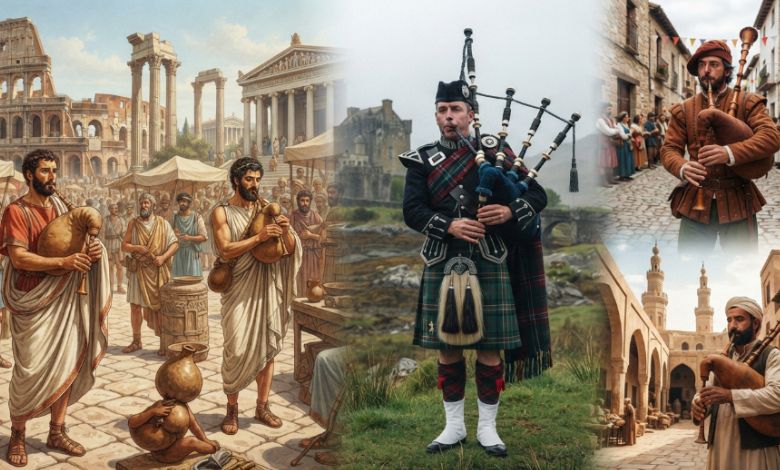
Early History and Ancient Instruments
The true ancestry of the bagpipes is not known and historians think that the earliest bagpipes must have been in existence over 2000 years ago. Bagpipes are thought to have been used by the Ancients, principally in Egypt, Greece and Rome. Their first instruments consisted of an inflated bag linked to pipes that enable musicians to play continuous music.
How Bagpipes Spread Across Different Countries
The bagpipes employed by travellers and traders enabled them to reach most parts of Europe and the Middle East and even parts of North America. The instrument was adapted for use in the various regions to suit the local traditions. As the years went on, the style evolved in each country, giving rise to different shapes/sounds/playing techniques, while retaining the basic design.
Bagpipes in Scotland
Their Role in Highland Culture
In fact Scotland is one of the countries associated with the pipes that is most applicable. The Great Royal Stewart Bagpipe – Scottish Highland Rosewood Bagpipe was adopted as a significant element in Scottish society as well, and was played at clan gatherings, festivities, weddings and Highland Games. The tradition of Scottish music has been continued from one generation to the next, thus ensuring the preservation of Scottish history and trade.
Military Traditions and Ceremonial Use
The Scots have their own long military tradition in the bagpipes too. Pierson was the one who produced music for soldiers, as an act of encouragement and morale. Military Pipe Bands have evolved over the years, but today they are still seen at parades, remembrance services, royal functions and at National Functions.
Bagpipes Around the World
Irish Bagpipes and Uilleann Pipes
Ireland also has a local variant of the bagpipes called ‘Uilleann pipes. The pipes are not blown as in the Scottish tradition but air is blown into the pipes using a bellow. This will generate a more soothing and melodies sound, perfect for traditional Irish music. The Bagpipes play an important part in Celtic culture, and are of two forms: Scottish and Irish.
Bagpipes in Europe, the Middle East, and Beyond
Bagpipes are not just the domain of Scotland & Ireland! Spain, France, Italy, Germany, Bulgaria, Greece and Portugal have their own. There are similar instruments in other regions of North Africa and the Middle East. The music and instruments may be varied out of recognition, yet, they have a similar objective – keeping people together by means of music and tradition.
The Cultural Importance of Bagpipes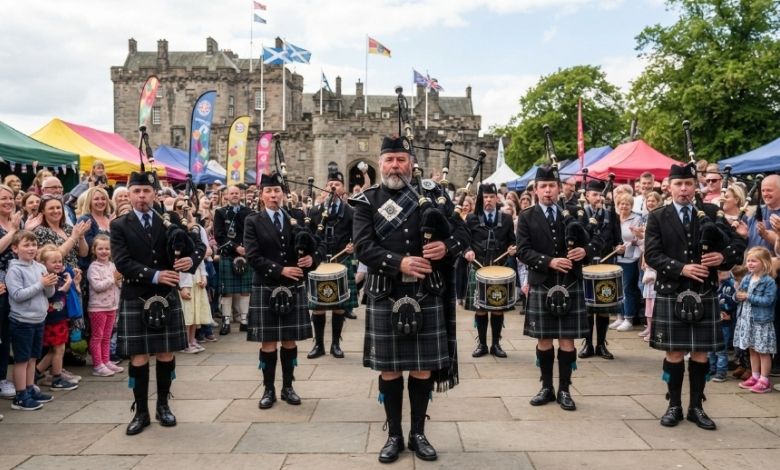
Festivals, Weddings, and National Celebrations
Even today, Black Velvet Bagpipes – Highland Wedding Bagpipes are used in many special events and ceremonies. These are played commonly as accompaniment to Scottish and Irish weddings, Highland Games, Burns Night events, St. Patrick’s Day Celebration and at cultural occasions. Their vigour make an unforgettable ambiance and facilitate the publicity of traditional customs. Many families and communities use the bagpipes to evoke memories of their history and heritage through the pipes.
Music, Identity, and Community Traditions
The bagpipe is much more to people than just a musical instrument for many. They are a symbol of identity, family values, and cultural pride. This is because many pipe bands have members of all ages who participate and practise together year round. Piping also supports the maintenance and continuation of traditional music and the involvement of young people in their local culture.
Bagpipes in the Modern World
Keeping Traditional Music Alive
Bagpipes are still popular today, even in this modern world. New players are still being recruited and traditional songs are still being maintained in music schools, pipe bands and in cultural circles. The online lessons and practice tools have also ensured that learning the instrument has become easier than ever before.
Bagpipes in Contemporary Performances
The bagpipes are now used in many varieties of music. They can be heard in symphonic music, movies, TV, in sports and even in some modern rock and folk bands. A blend of traditional and updated music has brought bagpipes to a new generation of listeners and maintained the tradition of the bagpipes for future generations.
Why Buy Quality Bagpipes fromThe Utility Kilt?
When it comes time to purchase a set of bagpipes, the choice of a trusted retailer’s is significant.The Utility Kilt has a selection of good quality bagpipes for beginner and experienced pipers as well as Highland garri mention of bags and sleeves for bagpipes and a variety of Highland clothes and accessories. They are made with careful consideration and are available for use in performances, ceremonies, festivals and for personal collections. Irish Kilt Shop has high quality items reflective of Scottish and Irish customs, and is perfect for both learning to play as well as upgrading your instrument.
Conclusion
The bagpipes are a truly intriguing instrument with a long history, found in several parts and cultures. They have been an integral part of tradition and identity, from ancient times onward, ranging from the famous Scottish Great Highland Bagpipe and Irish Uilleann pipes. They are still used today in a variety of wars, traditional festivals, military ceremonies and cultural events. The old and unique piping style and their unique society has perpetuated a musical gift that will remain vital to the traditional music of the Scots into the future.