Kilt Sizing Explained: How to Find Your Perfect Fit
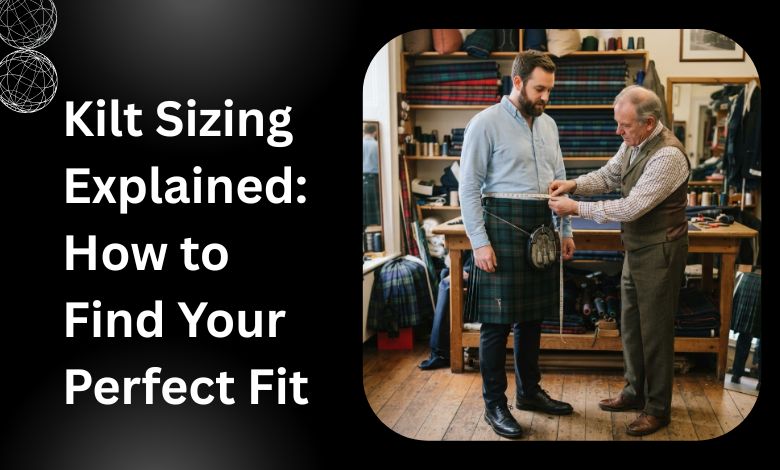
Buying a kilt of a size chart the same way you’d buy jeans is probably the single most common mistake people make with their first one. It is not the same shape as trousers, it doesn’t sit the same way, and a size that “should” work on paper can end up looking baggy or, worse, cutting off circulation by hour two of wearing it. Getting the sizing right isn’t complicated once you know what actually needs measuring so it is just different from what you’re used to.
Why Proper Kilt Sizing Matters Comfort and Freedom of Movement
A kilt that is too tight around the waist is miserable, thus you feel it every time you sit down, bend, or just breathe a bit deeper than usual. Too loose, and you will spend the whole event adjusting it, which honestly looks worse than any minor fit issue would. The pleats also need enough room to move with you, especially if there’s any walking, dancing, or standing for long stretches involved.
Achieving an Authentic Highland Look
Fit is the thing that will distinguish between a kilt that looks like a sensible garment and a costume. A properly-fitted kilt is not at the hips as is a pair of trousers, it is at the natural waist and should be free of all creases except at the ends. An expensive tartan is completely off if you get the sizing wrong.
How to Measure Yourself for a Kilt
Step 1 – Measure Your Natural Waist
Wrap the tape around your natural waistline, not too tight, not loose enough to sag. A good trick thus bends slightly to one side and where your body naturally creases is usually right where the tape should sit.
Step 2 – Measure Around the Hips
Stand normally, feet together, and wrap the tape around the fullest part of your hips and seat. Keep the tape level all the way around so it is easy to let it dip in the back without noticing.
Step 3 – Determine the Correct Kilt Length
Measure from where you took your waist measurement straight down to the middle of your kneecap. If you can, have someone else do this one in measuring your own leg length accurately while looking down is trickier than it sounds.
Choosing the Right Fit for Different Kilt Styles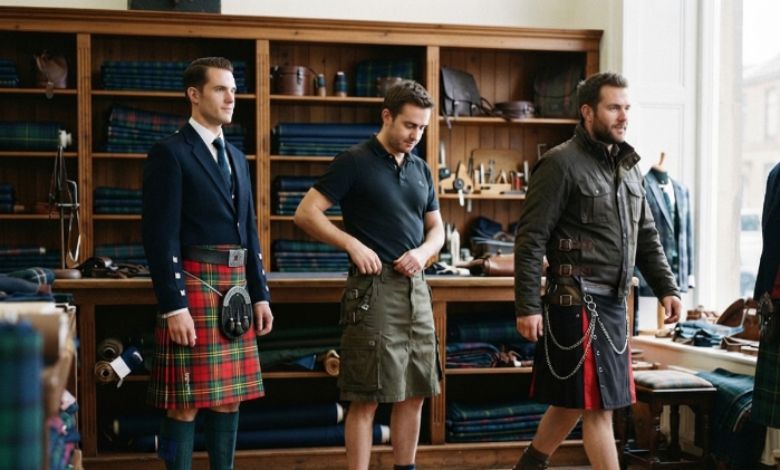
Traditional Tartan Kilts
Tartan kilts are usually more structured, made with pleats sewn to a set shape, so getting the waist and hip measurements accurate matters more here than with other styles so there’s less room to adjust after the fact.
Utility Kilts
Built more for everyday wear and movement, utility kilts often come with adjustable tabs or straps that give a bit more forgiveness if your measurements land between sizes. Still worth measuring properly, but there’s more margin for error.
Leather and Hybrid Kilts
Choosing these tends to be more expensive and stiffer than wool or cotton thus a nice look in the store might not look as good after a few hours of wearing due to the breaking in process of the material. You have the option to have leather and hybrid kilts. That would typically be the better bet, to choose a size a little smaller or larger is often a safer choice.
Common Kilt Sizing Mistakes to Avoid
Using Trouser Size Instead of Waist Size
This is the big one. Trousers sit at the hips, kilts sit at the natural waist so those two measurements are rarely the same number, and grabbing your jeans size chart almost always results in a kilt that sits too low.
Choosing the Wrong Length
Going off a generic “small/medium/large” length instead of an actual knee measurement is a gamble. Height alone doesn’t determine leg length, and two people the same height can need noticeably different kilt lengths.
Ignoring Fit Around the Hips
Folklore has such a heady emphasis on the waist number that one cannot neglect the fact that the kilt still needs to be able to cross over the hips. You can have an easy fit around the lower area so you can feel comfortable throughout the day.
Tips for Getting the Best Fit
Consider Your Body Shape
Not everyone has the same W:H (Waist:Hip) ratio, and it can have an impact upon how a kilt hangs. When ordering (or customizing) a big size can work better if the difference in waist and hip sizes is large; a standard size chart will work for normal size differences. It is important to think about your body shape so you can customise best fit for yourself
Account for Layering and Accessories
If you’re planning to wear a sporran, belt, or layer anything underneath for colder weather, it is worth keeping that in mind rather than sizing purely off bare measurements thus a fit that’s perfect with nothing else on can feel different once accessories are added.
When to Choose Custom Sizing
If your measurements fall between standard sizes, if your body shape doesn’t match typical proportions, or if this is for a big formal event where fit really can’t be off so custom sizing is worth the extra cost. It is also the better call if your weight has changed noticeably since the last time you had measurements taken.
How a Properly Fitted Kilt Should Look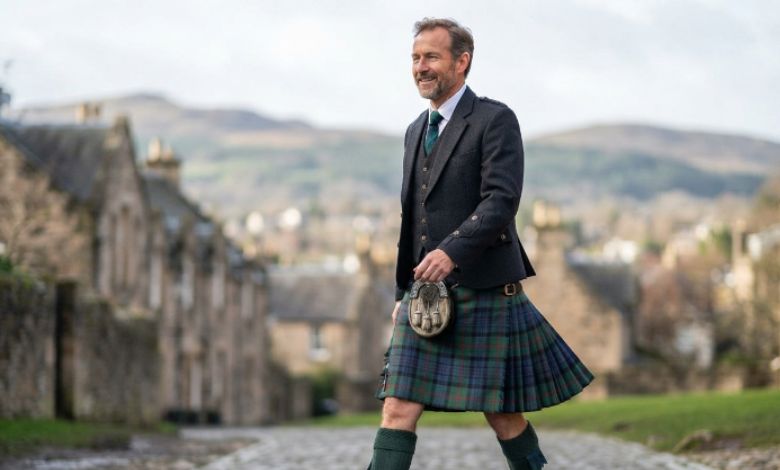
A good fit is one that hangs level across the bottom of the waist (even if it doesn’t touch the waistline at head height), ends at the mid point of the kneecap and the pleats at the back are drooping straight, not pulled or bunched, during movement. Generally, if it twists around itself when walking or if the front apron does not lie flat when the assail is attached, the waist or hip measurement is likely to be incorrect.
Where to Buy a Well-Fitted Quality Kilt
The Utility Kilts shop are worth checking out here so they offer both standard and custom sizing, and the difference shows in the details: proper pleat construction, adjustable straps where it makes sense, and materials that actually hold their shape rather than sagging after a few wears. Since they carry a full range of styles, from traditional tartan to more casual utility kilts, it is easier to get consistent sizing across pieces if you’re building out a whole outfit rather than guessing at fit from a different supplier each time.
Conclusion
Kilt sizing isn’t complicated, it is just different from what most people are used to measuring. Once you have got the waist, hips and length right, and you know how you want the finished product to feel on your body, with a bit of luck you won’t even know you are wearing anything… and that’s the point.