What size kilt belt do I need and how should it fit?” (Sizing confusion)
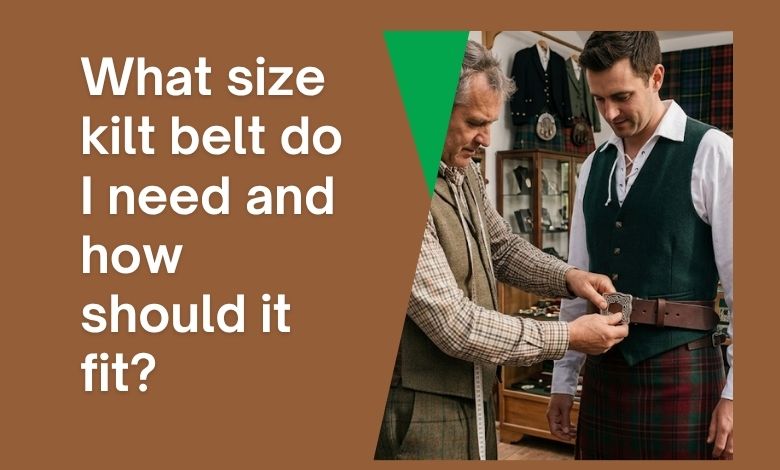
Many first time buyers find it quite confusing to get the kilt belt of accurate size. These belts usually differ in size and width than the regular belts used for pants. Their position is also different from the regular belts. The proper size of the kilt belt is quite crucial to attain the traditional look and comfort. The improper sizing can surely be the reason for the unbalanced or uneven look. Moreover, it can also make the entire outfit uncomfortable. Let us discuss the details regarding attaining the perfect size and fit of the kilt belt for better wearing experience.
Table of Contents
ToggleWhy Kilt Belt Sizing Feels Confusing
Kilt belts are worn at the natural waist instead of wearing at the hips like regular belts worn on jeans. Thus, the size of the kilt belt differs from the regular belts for pants. Different brands offer different size charts that may be confusing in some cases. People usually think that they should buy the belt as per their waist size, which is another confusing factor. Instead they must measure their waistline and also use the kilt belt sizing chart while adding 2 to 4 inches to your natural waist measurement for attaining the perfect fit and size of kilt belt. Leather Kilt Belt is a good choice to relish both style and tradition.
Understanding Where a Kilt Belt Sits
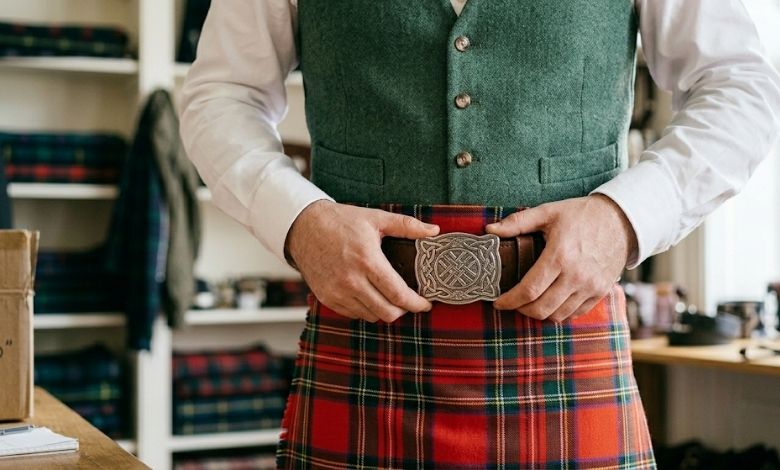
The kilt belt must be worn higher on the body at the natural waistline near the naval area. It must not be positioned on the hip area like the regular belts used for pants. This position of the kilt belt is the reason for requiring different sizing requirements than the regular belts. Proper positioning helps to maintain the traditional look of attire and also helps to align the kilt belt with the kilt apron. Thus, this proper placement helps to relish comfort and elegance.
How to Measure Your Size Correctly (Step-by-Step)
This is the step by step approach to measure your size regarding the kilt belt correctly. This precision in measuring the size helps to get the polished look while wearing the traditional outfit for any special occasion. Let us discuss these steps.
Step 1: Locating Your Kilt Waist (The Navel Rule)
The kilt belts are not worn at the hips like regular belts for pants. Instead, it is worn at the natural waist. For taking the required measurements, you must need a measuring tape and place it around your naval area. The tape must be kept snug but not tight. Another key factor is standing naturally while taking measurements. All these factors must be considered for taking the accurate measurement for the kilt belt.
Step 2: Measure Over Your Kilt or Shirt
Then the next step is to consider the crucial aspect of always taking the measurements while wearing the shirt or kilt outfit layer. Keeping this factor in mind ensures realistic sizing and measurements for actual use. Avoid buying a kilt belt that feels too tight in real wear. Because it can affect the overall look and comfort of the outfit.
Step 3: Add Extra Inches for Comfort (2–4 inches rule)
The 2-4 inches adjustment rule is another crucial step for getting the perfect size of the kilt belt. You must add 2 to 4 extra inches to the measurement of your natural waist. It helps to attain extra space for movement and comfort. Moreover, this rule can surely be helpful to prevent the belt from feeling too tight while sitting or walking.
Step 4: Double-Check Before Buying
Double check the size before buying also helps you to get the appropriate fit. In this step, compare the measurements with the size chart offered by the brand from where you are buying the belt. Another thing to be confirmed is whether the belt has adjustment holes for flexibility or not. The buckle compatibility and belt width must also be checked. If you are buying online then confirm the return and exchange policy to avoid any inconvenience in case the size does not fit.
Kilt Belt Size Chart (Quick Reference Table)
| Natural Waist Measurement | Recommended Kilt Belt Size |
| 28–30 inches | 32–34 inches |
| 30–32 inches | 34–36 inches |
| 32–34 inches | 36–38 inches |
| 34–36 inches | 38–40 inches |
| 36–38 inches | 40–42 inches |
| 38–40 inches | 42–44 inches |
| 40–42 inches | 44–46 inches |
| 42–44 inches | 46–48 inches |
How Should a Kilt Belt Fit?

A kilt belt should sit properly at your natural waist not at the hips. It must offer a snug fit but not too tight. This approach is helpful to get comfort while moving and also to relish additional breathability. The kilt belt must sit flat against your body without any kind of rolling or twisting. The buckle of the belt must be in the center at the front of the kilt apron. This placement helps to provide a balanced look. Thus, it also helps to stay comfortable while walking or even sitting.
The Waistcoat Rule: When You Should (and Shouldn’t) Wear a Belt
It is a general rule that if you are wearing a waistcoat with your kilt then avoid wearing the kilt belt. Because wearing a belt under the kilt vest causes the unwanted bulge that can the clean and tailored look of the outfit. For a polished look, the vest should sit smoothly on the body without any bulk underneath. Thus, when wearing the Prince Charlie jacket and vest for formal outfit, the kilt belt is usually skipper for enhanced look.
Common Sizing Mistakes to Avoid
Here are some of the common mistakes that must be avoided for relishing the perfect size and fit of the kilt belt.
- Using the jeans or trouser size instead of measuring the natural waist is one of the most common mistakes. It must be avoided to get the perfect size of the belt.
- Measuring the waist too low on the hips instead of measuring at the naval area is also the wrong approach. It should also be avoided.
- Buying a belt without any adjustment room or wrong hole placement can also be problematic. While buying the kilt belt, this mistake must be avoided for better wearing practice.
Kilt Belt Width and Buckle Compatibility
The standard width of the kilt belt is 2 to 2.25 inches that offers a strong traditional Highland outfit look. There are multiple styles available for buckles like clan crests, celtic designs, and modern metal finishes. It must be ensured that the buckle matches the width of the belt for attaining proper fit and balance. A heavier or oversized buckle can pair well with the wide belts. Mismatched approach in this regard can impact both comfort and the entire look. For formal attires, select simple polished buckles and for casual attires, decorative designs can be utilized.
The Standard 2.25″ Width: Why Standard Belts Don’t Work
The standard kilt belts are usually 2.25 inches wider that are specifically designed for kilt belt loops. Many low quality or cheaper belts or regular trouser belts feel a bit loose in kilt loops. They do not fit properly with the buckle system. Thus, they do not sit securely and do not provide a properly balanced or traditional Highland look to the kilt outfit.
Adjustability and Fit Tips for Different Body Types
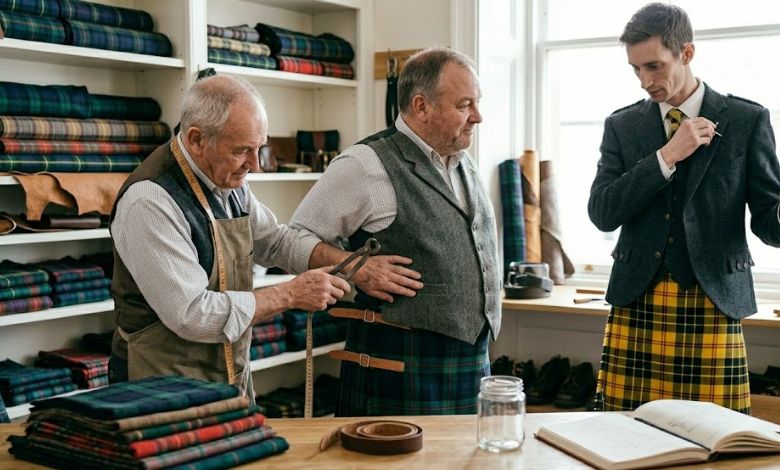
The kilt belt should not match the accurate size of yours but also offer flexibility for movement and also comfort. Different body types need different levels of balance regarding adjustability and fit. The key goal is to ensure the belt feels perfectly secure without being too tight or loose.
The Velcro Adjustment: Why Range Matters More Than a Single Number
Kilt belts are generally adjustable by using velcro or multiple kilt buckle holes that allow flexibility in acquiring the perfect fit. Your size must ideally fall within the comfortable range not at the extreme end of the measurement. It also ensures enough room on both sides for adjustment. It makes the belt more comfy to wear. A perfect fit allows you to tighten or loosen the belt as per your clothing layers or even the movement needs. The key goal is to attain a secure fit while retaining the comfort and flexibility throughout the day.
Buying Online vs In-Store: Avoiding Size Confusion
Online buying requires a proper attention towards the sizing charts and measurement guides for getting perfect size and fit of the kilt belt. In this way, any size related confusion can be avoided. In store shopping offers the facility of trying the belt before buying it and it is quite helpful to prevent any discomfort regarding the fit. Below mentioned table helps to understand the key features of both buying options while purchasing the kilt belt.
| Feature | Online Buying | In-Store Buying |
| Sizing Accuracy | Depends on measurement guide | Can try and check fit directly |
| Convenience | High (shop from anywhere) | Requires physical visit |
| Risk of Wrong Size | Higher if measurements are incorrect | Very low risk |
| Return/Exchange | Important to check policy | Usually not needed |
| Fit Experience | Based on size chart only | Can feel real comfort and adjustment |
| Best For | Experienced buyers / repeat customers | First-time buyers / unsure sizing |
Final Checklist Before You Buy
The final checklist must include that the accurate natural waist measurements have been taken. You must ensure that the 2 to 4 inches are added to attain proper fit. The width of the belt must match the kilt that is usually of 2 to 2.25 inches. Check that buckle style is secure and compatible. Ensure that adjustable range or multiple holes are available. Another thing to be ensured is that the kilt belt fits comfortably over shirt or attire layers. Return and exchange policy must be checked while buying online.
Selecting the right kilt belt size depends upon the right and precise measurement. It must not be as per the normal clothing size. The most important step is to measure the natural waistline and add additional 2 to 4 inches for extra comfort. The proper fit of the kilt belt helps to offer secure and comfortable wearability with freedom of movement. Always keep this in mind that the kilt belt is worn at the natural waist instead of wearing at the hips like regular belts of the pants. Check the belt width, buckle compatibility and adjustability to avoid common sizing mistakes. So, the right fit improves both the look and comfort of your complete kilt outfit. You can buy kilts and their accessories like kilt belts and buckles at reasonable costs at the online kilt shop.
FAQs:
Should a kilt belt be loose or tight?
Where should the kilt belt sit?
It must sit at the natural waist around your naval area not on the hips like the regular belts used for jeans.