What Are the Different Styles and Materials of Kilt Pins?
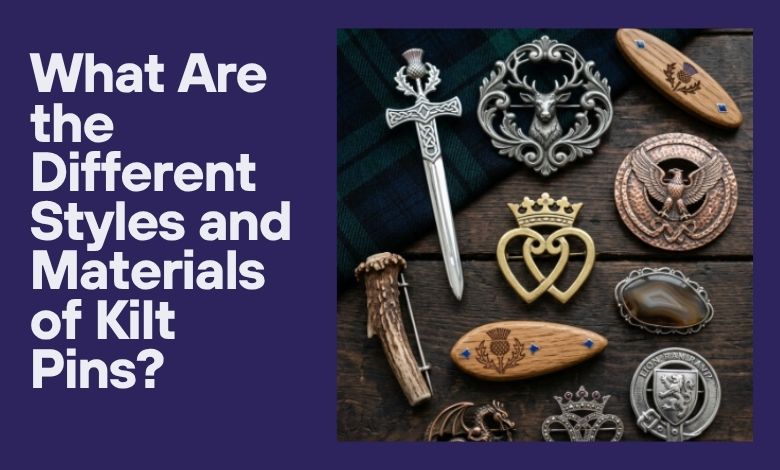
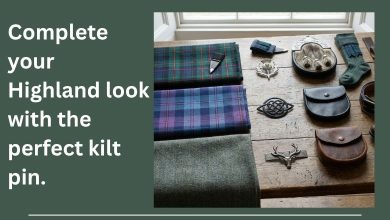
Most frequently people are drawn to the tartan, jacket or sporran when thinking of a kilt outfit. One of the tiniest pieces of apparel may have a surprisingly big impact, however—the kilt pin. A kilt pin is a small accessory that taps into the complete outfit. It provides style and function as it helps to complete a kilt outfit.
For many first-time kilt wearers, a kilt pin is a piece of jewelry, and though that is certainly an application of the kilt pin, it isn’t always the one that comes to mind. In addition to providing balancing weight on the front of the kilt, a good kilt pin will also capture personal attributes, heritage, and fashion taste.
There are a wide range of styles, materials and finishes of kilt pins nowadays. In addition to the traditional sword shaped pins, there are numerous modern, minimalist designs that work well for a variety of different occasions and kilt styles.
What Is a Kilt Pin and Why Is It Important?
Purpose of a kilt pin
Kilt pins are decorative pins that are fastened generally at the bottom corner of the kilt to the outside. It is not like other common beliefs about it, that it is used to fasten layers of kilts. Rather, it serves to give it a very light weight to the outside of the apron and to stabilize it when transporting or in windy conditions.
This is a nice little touch that enhances usability and looks.
Functional and decorative role
Kilt pins are for two purposes. They are light in offerings, look better, put in a touch of function. With design carefully chosen, a pin can transform even a modest kilt to a higher level of sophistication, personality or tradition.
Traditional significance in Highland dress
Kilt accessories are a vital part of Highland fashion, and play a role in the whole ensemble that emphasizes Scottish identity. Styles have changed over the years, but the kilt pin has become an essential accessory for formal events and ceremonies, particularly.
Different Styles of Kilt Pins
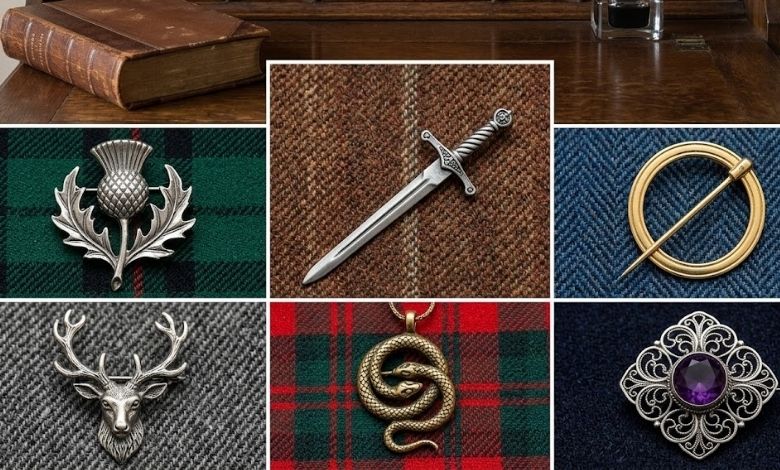
Traditional sword kilt pins
The sword kilt pin is definitely the most well known. They are inspired by Scottish traditional weapons such as Scottish Shamrock Kilt Pin, and can look like Highland swords or daggers.
Due to their traditional design, sword pins go well with formal Highland dress or a highland kilt. This style is still one of the most popular styles for weddings, cultural activities and traditional occasions.
Celtic knot and Scottish symbol designs
Celtic-inspired kilt pins often have intricate carvings, complex knotwork and symbolic Scottish patterns. Celtic crosses, thistles, or historical figures from Scotland’s past may be incorporated into certain designs.
These pins are perfect for any individual who prefers an heritage search, however does not wish to opt for a sword design.
Clan-inspired and crest kilt pins
A few pins on a kilt may include clan or family emblems or a meaningful symbol that relates to origin or identity. Clan Style Kilt Pins can be utilized to offer a more intimate shade of the tartan they wear, for individuals who wear a tartan associated with family history.
Modern and minimalist kilt pin styles
More contemporary kilt wearers will opt for simpler kilt styles which offer a clean line and lesser details such as Claymore Silver Broad Sword Kilt Pin. Minimalist kilt pins work well with utility kilts or hybrid kilts, as well as fashion-forward kilts, in which anything more traditional may be too formal.
Themed and decorative statement pins
Others opt for something with a saying on it relating to their interests, hobbies or their own personality. Gothic, skull, military, or artistic and creative drawing/carving decisions can be used to add a decorative inspired theme to the pins.
These styles are particularly favored in modern kilt looks and alternative styles.
Common Materials Used in Kilt Pins
Stainless steel for durability
One of the most common materials is stainless steel, which is strong and durable, and won’t rust. In cases of regular wear or for work-appropriate attire, stainless steel is practical and does not lack in appearance.
Pewter for traditional Scottish styling
Another tradition that popularized Pewter includes the use of such accessories for Scotland. It has a traditional matte appearance which is great for Highland attire with Highland Scottish Rampant Lion Kilt Pin Chrome Finish. Many fine Celtic-inspired and sword-type pins are made of pewter, as it can be intricately engraved.
Silver and chrome finishes for elegance
Silver-tone or chrome-plated kilt pins offer a sophisticated and shiny look, which is ideal for special occasions like weddings and formal occasions. These finishes complement ceremonial Highland dress or formal jackets and dress sporrans particularly well.
Brass and antique metal designs
Brass or Antique-style finishes will add a wonderful old vintage touch to a bold and unique appearance. The materials can be ideal for rustic, heritage, or gothic looks.
Decorative materials and engraved details
There are also some kilt pins that have enamelwork, gemstones, a symbol that was engraved on the stone or diligence on the pin. These embellishments can serve to make a functional accessory a fashionable accessory.
How to Choose the Right Kilt Pin
Matching the pin with your kilt style
Traditional “tartan” kilts are usually best suited to traditional pins such as the sword or celtic style pins while utility and hybrid kilts would be more appropriate to simpler or modern style pins.
The aim should be to create a balance, not overshadow the outfit.
Choosing formal vs casual designs
For formal events, think of refined materials, traditional symbols, and more for casual events. So you can go for the refined materials and traditional symbols; casual events call for extra freedom and creativity.
Balancing size, weight, and comfort
The kilt pin should not stand out and shouldn’t be too large. If you go with very large pins then they can have a huge amount of fabric.
Common Mistakes to Avoid When Wearing a Kilt Pin
Placing the pin incorrectly
The general rule is that a kilt pin should not be too high in the front apron nor in the middle of the apron, but placed near the lower outside corner of it.
Choosing oversized or heavy designs
Excessive amounts of large decorative pins may detract from the outfit or tug on fabric.
Mismatching metals with accessories
When coordinating the metal tone for your kilt pin, buckle, sporran chain, and other accessories, your outfit will have a sleeker look.
Why Quality Matters in a Kilt Pin
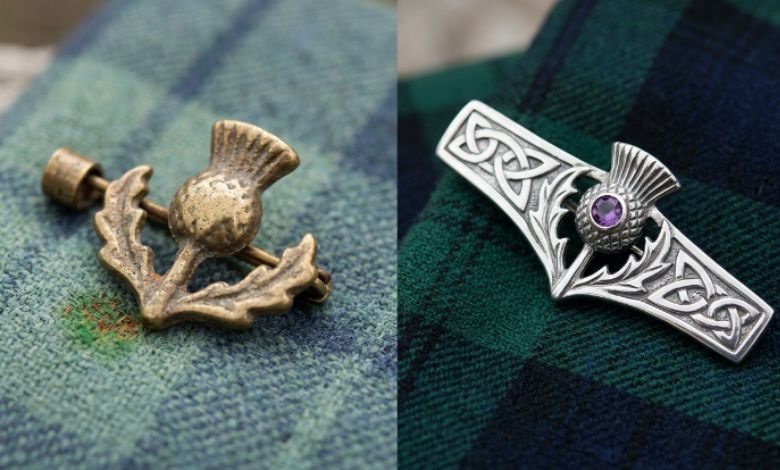
Durability and long-term wear
A good quality quality will not nest, fade or break easily with time.
Better detailing and craftsmanship
With higher quality materials comes a greater value of engraving being carried out, better designs and a more refined finish.
Enhancing the overall kilt outfit
The type of kilt pin used can be a subtle detail that can make a big difference to the overall look and feel of the outfit.
Why Buy Kilt Pins from The Utility Kilt
There are many reasons why you should consider purchasing Kilt Pins from The Utility Kilt. With plenty of kilt pin options available, it’s easier to find the right one for the occasion and style.
Attach various kilt accessories to kilts for a tartans kilt, utility kilt and hybrid usage. Whether you prefer the classic sword pins or more modern styles, their construction and materials will enhance both look and function.
Selecting the right kilt pin can complete your kilt wear, from formal to casual Highland wear.
Conclusion
While they can be a small detail, kilt pins are still important pieces that are significant to a kilt outfit. From traditional sword designs to more modern minimalist options, using everything from pewter to stainless steel, silver or brass, there’s a kilt pin for every personality and occasion.
Whether for formal Highland dress or contemporary casual wear, thoughtful design, fabric and location can make sure to create a well-balanced, stylish and finished look.
FAQs
What is the purpose of a kilt pin?
A kilt pin adds slight weight to the outer apron of the kilt while also enhancing appearance.
Are kilt pins only decorative?
No. They are partly functional and partly decorative.
What material is best for a kilt pin?
Stainless steel and pewter are among the most popular options because of durability and classic styling.
Can I wear any pin on a kilt?
It is best to choose pins designed specifically for kilts to ensure proper size and weight.
Where should a kilt pin be placed?
A kilt pin is usually worn near the lower outer corner of the front apron.