Different Fabrics Used in Making Men’s Kilts
Different Fabrics Used in Making Men’s Kilts
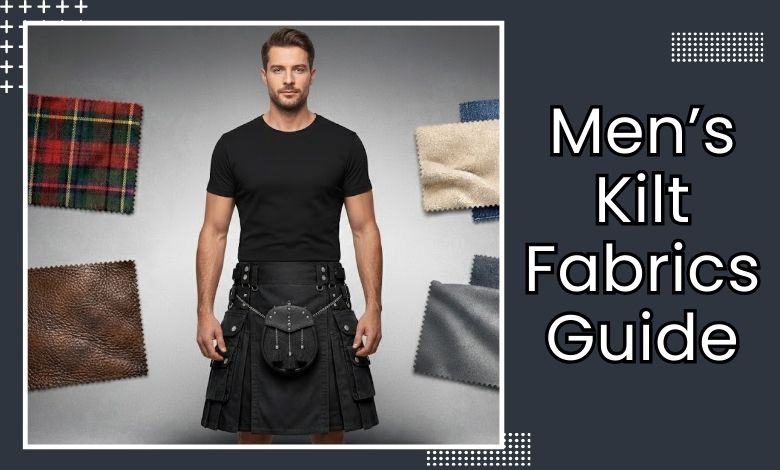
Kilts are an essential part of Scottish wardrobes, and transcends to other countries where Scots live. There was a time when woolen tartan was the only material used, but today’s men’s kilts have evolved, and the use of several fabrics has become common, thanks to the fashion industry. We will explore these fabrics used in kilts and their primary features. Let’s begin our discussion with fabrics used in traditional tartan kilts.
Fabrics Used in Traditional Tartan Kilts
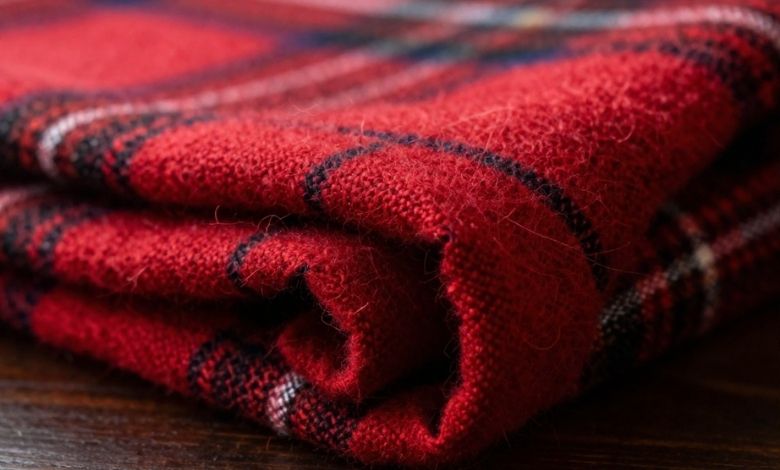
A majority new to the kilt’s world assumes wool to be the only material used in making tartan kilts. In reality, many other fabrics have entered the game and made a name because of their unique traits.
Pure Wool
The most traditional fabric used in making Scottish apparel is pure wool. It is a durable, warm, and comfortable fabric, and Scots used it centuries ago to protect themselves from harsh chilly winds of the Highlands. The approach continues to the day and people generate it from shearing sheep, processing the raw fleece through cleaning, carding, and spinning to create wool yarn. Wool offers many benefits to those who wear it.
Advantages of Pure Wool
- Wool is a natural, sustainable material that decomposes harmlessly.
- It resists bacteria and mildew and serves as a hypoallergenic material.
- The unique structure of wool makes it versatile and suitable for both the summer and winter.
- Regulating body temperature is its core feature.
Polyviscose
When specifically talking about the tartan kilts, poly-viscose is another material that resembles wool. In reality, it is a synthetic material, which is more affordable and comfortable. Experts merge polyester and viscose to get this replica of traditional kilt fabric. Although it lacks cultural flair, it still has some benefits.
Benefits of Poly-viscose
- It is more comfortable than wool because of enhanced softness.
- People prefer it in kilts because of its wrinkle-resistance properties.
- Wearers do not have to make efforts to maintain poly-viscose.
- This blend of two materials helps wearers have a moisture-wicking kilt, which is worn all year round.
Acrylic Wool
The closest companion of natural wool is acrylic wool, and it stands at the front of the queue of fabrics that mimic original variation. Beginners may not distinguish between pure wool and acrylic at first sight. As it is a synthetic material, acrylic wool has some additional features. A common among them is to hold the shades for longer durations. A majority of stores, including The Utility Kilt, use it as standard fabric because of its below-given positive aspects.
Positive Aspects of Acrylic Wool
- Acrylic wool is more affordable and durable compared to traditional wool.
- It lacks lanolin, which means this is hypoallergenic, and people allergic to wool can wear this fabric.
- Kilt-makers value it because it can be dyed in any color, a key requirement for making tartan kilts.
- This fabric is popular for being lightweight and suitable for several events, including formal and casual ones.
- It is elastic and has resilience features; it means shape retention is another positive aspect.
Modern and Contemporary Fabrics Used in Other Kilt Styles
The fabrics used in making traditional tartan kilts have been discussed. Now this is the time to move ahead and highlight the modern fabrics used in contemporary kilts. Let’s find out the features and benefits of these fabrics.
Leather
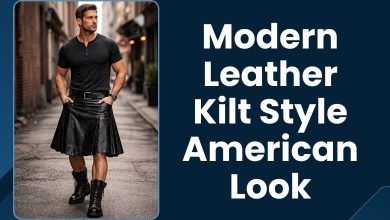
Many modern materials are used to make contemporary kilts, but people prefer leather for its exceptional comfort and distinctive, substantial appearance. Therefore, the wearers pay more than other kilts for it. Leather’s several variations, including high-grain, top-grain, and cowhide, make kilts a popular choice. Moreover, they come with practical features, declaring them to be versatile and suitable for several settings.
Advantages of Leather Kilts
- Leather kilts boast a good level of ruggedness, and it indicates their longer lifespans.
- They provide wearers with modern and edgy aesthetics, making them look stylish.
- The material has a unique texture, giving the touch of individualism in public gatherings.
Denim
Cotton is a durable twill fabric that is known for high levels of comfort and strength. A few decades back, fashion enthusiasts introduced it to the kilts, and today denim kilts are one of the most worn apparels. In addition to durability and solace, they also have practical features making them the stylish counterpart of utility kilts. Denim-made kilts also offer a large number of benefits.
How Denim Kilts Are Beneficial for Wearers
- Denim is a durable fabric, making these kilts a worthwhile investment.
- They are work-appropriate as well, and you don’t have to invest in other variations if you already have one.
- Denim kilts are versatile because of their breathability and suitability in hot climates.
Cotton
The last fabric we will discuss here is cotton. It is a natural, soft, and fluffy material but adds a considerable level of durability to the kilts. The use of cotton is often seen in drill jeans, a durable fabric that makes utility kilts. The purpose and strength of utility kilts reveal how long-lasting the cotton is. A combination of durability and solace makes them more adaptable.
Advantages of Cotton Fabric in Kilts
- The breathability and moisture-wicking properties keep the wearers cool.
- Their high durability makes them easy to maintain.
- Cotton fabric does not absorb odors compared to other materials.
- It offers a timeless and classical appeal to the fabric.
How Fabric Choice Impacts the Look and Function of a Kilt
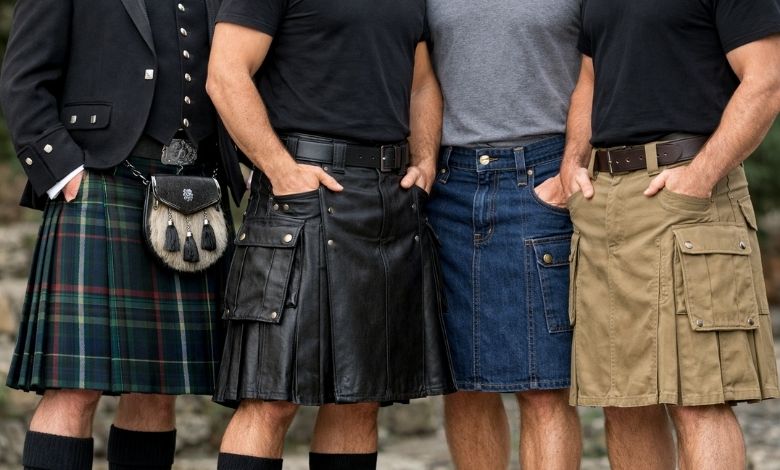
Fabric choice significantly impacts both the look and function of a kilt. Traditional fabrics, such as wool and tartan patterns, add cultural flair and are typically associated with formal or ceremonial wear. Modern fabrics like leather, denim, and cotton give kilts a contemporary style and are often more durable.
These materials can withstand everyday use and frequently include functional features such as pockets and reinforced stitching. Wool, while classic and elegant, requires more careful maintenance and is generally reserved for formal occasions today.
Comparing Fabric Performance: Natural vs. Synthetic Fibers
| Aspects | Traditional Fabrics | Modern Fabrics |
| Durability | Lasts long, but wool can wear over time | Very strong and long-lasting |
| Comfort | Soft, breathable, keeps you warm or cool | Can be heavy (leather) but generally comfy |
| Care | Wool needs careful care; synthetics easier | Easy to clean and maintain |
| Style | Classic, formal, cultural | Modern, casual, versatile |
| Use | Ceremonies and traditional events | Everyday wear, work, casual occasions |
Buy Kilts at The Utility Kilt
By understanding the different kilt fabrics, from traditional to modern, you can now decide which one suits you best. Do not overlook the event’s formality while choosing one, because formal dressing is only complete with conventional materials. If you need any assistance regarding the fabric selection or kilts made with any of them, visit The Utility Kilt. We hand-made every kilt and sell it at an affordable price. Most importantly, our experts answer 24/7 to guide you.